

Daily Routine After Amputation often requires learning new ways to move through familiar parts of the day. Getting dressed, preparing breakfast, commuting, working, exercising, managing a prosthesis, and even relaxing may require more planning than they once did. A supportive daily routine after amputation can make those demands easier to manage, but the goal is not to create a rigid schedule that must be followed perfectly.
A useful daily routine after amputation gives you structure while leaving room for changes in pain, energy, prosthetic comfort, mobility, appointments, and emotional well-being. Some days may allow you to accomplish everything you planned. On other days, taking care of your residual limb, managing discomfort, eating well, resting, and getting through essential responsibilities may be enough.
The most sustainable routine is one that works with your body rather than against it.
At Lifelong Prosthetics, the focus is on helping people navigate life after limb loss with practical information, realistic expectations, and greater confidence. The following ideas can help you build a routine that supports your physical health, emotional well-being, mobility, independence, and everyday priorities.
Daily Routine After Amputation: Build Your Routine Around Your Current Needs
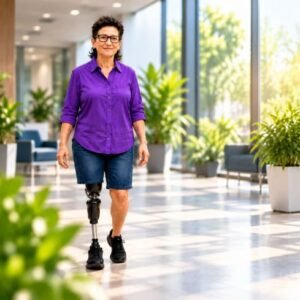
Before deciding what your ideal day should look like, consider what your body and life actually require.
Life after amputation is rarely identical from one day to the next. Residual limb volume may change. A prosthetic socket that felt comfortable yesterday may feel different today. Sleep, weather, activity, stress, medication, pain, and other health conditions may affect how much energy you have.
Instead of building a routine around what you think you should be able to accomplish, build it around a few reliable daily anchors. These might include waking and sleeping at reasonably consistent times, checking your residual limb, eating regular meals, taking prescribed medication as directed, preparing prosthetic supplies, completing appropriate movement, and making time for recovery.
This approach is closely connected to the Amputee Daily Wellness Method™, which emphasizes responding to the day you are actually having rather than forcing yourself to meet the same expectations every day.
A routine should create stability, not another source of pressure.
Daily Routine After Amputation: Begin the Morning With a Body and Prosthetic Check
A few quiet minutes in the morning can influence how you plan the rest of your day.
Before immediately moving into work, errands, rehabilitation, or household responsibilities, notice how your body feels. Pay attention to your residual limb, sound limb, back, joints, energy level, pain, balance, and mood.
If you wear a prosthesis, examine your skin and pay attention to how the prosthesis feels when you put it on. Unusual pressure, rubbing, looseness, instability, or persistent discomfort may be signs that something needs attention.
Routine skin inspection is particularly important because heat, pressure, friction, and moisture inside a prosthetic socket can contribute to skin problems. The Amputee Coalition’s skin-care guidance provides additional information about checking and protecting residual-limb skin.
Your morning assessment does not need to become complicated. Its purpose is simply to help you make informed decisions.
If everything feels comfortable, you may continue with your normal plan. If pain, irritation, fatigue, or another concern appears, adjusting your day early may prevent a small issue from becoming a much larger interruption later.
For more detailed guidance, Lifelong Prosthetics also discusses this approach in Daily Self-Care for Amputees: Managing Pain, Energy, and Mobility.
Daily Routine After Amputation: Making Safe Movement Part of Everyday Life
Movement Life After Amputation does not have one definition.
For one person, it may mean walking with a prosthetic leg. For another, it may involve a wheelchair, walker, crutches, adaptive equipment, seated exercise, stretching, transfer practice, or a combination of mobility methods.
The goal is not to prove how far you can walk or how long you can wear a prosthesis. The goal is to maintain movement that supports your health, function, and personal goals.
The CDC’s physical activity guidance for people with disabilities explains that physical activity can be adapted according to ability and that some activity is better than none. Your physician, physical therapist, or rehabilitation professional can help determine what types of activity are appropriate for your health and stage of recovery.
Movement can also become part of ordinary tasks. Preparing a meal, completing therapist-recommended exercises, moving around the home, gardening, practicing transfers, or taking a manageable walk may all contribute to an active day.
Safety should remain part of the routine. Pay attention to changing surfaces, wet floors, stairs, loose rugs, crowded areas, and unfamiliar terrain. Lifelong Prosthetics explores this practical mobility mindset further in Why It’s Okay to Look Down: Walking Safely and Confidently as a Leg Amputee.
Manage Your Energy Before You Become Exhausted
One of the most useful adjustments after limb loss is learning that energy deserves to be managed just as carefully as time.
A long shower, getting dressed, putting on a prosthesis, walking through a large store, attending an appointment, or preparing dinner may require more physical and mental effort than someone else realizes.
Instead of completing demanding activities back-to-back, consider spreading them throughout your day. Alternate activities that require significant effort with tasks you can perform while sitting or resting.
Preparation can also reduce unnecessary energy use. Keep frequently used items within reach. Prepare clothing or prosthetic supplies before bed. Collect everything you need before beginning a task rather than making repeated trips through the house.
You may also find that some responsibilities can be simplified, postponed, or shared.
Protecting your energy does not mean giving up independence. Independence can include deciding where your energy matters most and choosing tools, mobility devices, adaptations, or assistance that help you use it effectively.
Lynn DeCola’s personal reflection, Every Day Is My Amputee Rehab, offers another perspective on how adaptation can remain part of everyday life long after the initial rehabilitation period.
Create Regular Times for Nutrition, Hydration, and Rest
Busy days make basic self-care surprisingly easy to overlook.
Regular meals, appropriate hydration, and adequate rest support overall well-being and can make it easier to manage a demanding day. Rather than waiting until you feel completely depleted, create natural opportunities to eat, drink, sit down, or remove the prosthesis when appropriate.
Sleep also deserves a place in your routine. Keeping relatively consistent sleep and wake times may make the day feel more predictable and can support general physical and emotional health.
Rest does not need to be earned by reaching exhaustion first.
A short period of recovery between activities may allow you to participate more comfortably in something important later. On days when pain, poor sleep, appointments, or physical activity demand additional energy, your routine may need more recovery time than usual.
The important point is flexibility. A supportive routine should adapt when your body gives you new information.
If fatigue suddenly becomes much worse, continues despite appropriate rest, or begins interfering significantly with ordinary activities, discuss it with a healthcare professional rather than automatically assuming it is simply part of living with limb loss.
Include Emotional Well-Being in Your Daily Routine
Daily routine after amputation Life after amputation often focus on the physical side of life, but emotional health deserves the same attention.
Limb loss can affect identity, relationships, confidence, work, body image, independence, and expectations for the future. Even years Life After Amputation, a fall, prosthetic problem, health change, anniversary, inaccessible environment, or difficult interaction can bring unexpected emotions.
Make space during the day to notice how you are doing mentally, not only physically.
That might involve having coffee with someone you trust, writing in a journal, spending time outdoors, listening to music, participating in a hobby, joining a peer community, or simply having a quiet period without another responsibility.
Lifelong Prosthetics discusses these experiences in greater depth in Mental Health After Amputation: Coping With Grief, Anxiety, and Change.
Confidence can also develop through manageable experiences rather than dramatic achievements. Returning to a familiar activity, asking for an accommodation, expressing what help you need, or successfully navigating an unfamiliar environment may gradually strengthen trust in yourself. You can explore this further in Building Confidence After Limb Loss.
Emotional difficulties do not need to be managed through routine alone. Persistent or overwhelming distress deserves support from an appropriate mental health professional.
Prepare Your Environment and Backup Plans
Good routines become much easier when your environment supports them.
Look at the places where you spend most of your time and consider where unnecessary effort or safety concerns can be reduced. Frequently used supplies should be easy to reach. Walking paths should remain clear. Lighting should be adequate, and unstable rugs, clutter, or cords should be addressed where possible.
You can also create a dedicated location for prosthetic supplies such as socks, liners, sleeves, chargers, cleaning products, or other items recommended for your device. Keeping them together reduces the chance of searching for something when you are already trying to leave home.
Planning outside the home matters too. Before visiting an unfamiliar location, you may want to check parking, entrances, restrooms, seating, walking distances, terrain, and accessibility.
Backup mobility is equally valuable. There may be days when prosthetic discomfort, skin irritation, equipment problems, illness, or fatigue make your usual mobility method impractical.
Having another safe option does not represent failure. It gives you more control.
The Veterans Health Administration’s guidance on returning to routine activities after lower-limb amputation also emphasizes ongoing residual-limb care, prosthetic management, rehabilitation, and knowing which member of the care team to contact when problems arise.
Review Your Routine and Ask for Support When Needed
A routine that worked during early rehabilitation may not be the routine you need several months or years later.
Your health, responsibilities, prosthetic device, mobility, work schedule, family life, interests, and goals can change. Review your routine occasionally and ask whether it still makes everyday life easier.
Notice which parts of the day consistently create problems. Maybe mornings feel rushed because prosthetic preparation takes longer than expected. Perhaps errands repeatedly leave you exhausted. Maybe an uncomfortable socket is affecting your willingness to leave home. These patterns provide useful information.
You do not have to solve every problem yourself.
A prosthetist can evaluate prosthetic fit and function. Physical and occupational therapists can help with mobility, strength, daily tasks, and environmental adaptations. Physicians can evaluate medical concerns, and mental health professionals can help when emotional difficulties interfere with daily life.
Peer connection can also provide practical encouragement. The Amputee Coalition’s peer-support program connects people living with limb loss or limb difference with trained volunteers who have personal experience.
Amputee coaching can provide another layer of non-clinical support by helping you organize questions, identify realistic goals, prepare for conversations with your care team, and work through everyday challenges. You can learn more about how Lifelong Prosthetics provides amputee coaching and support.
Your routine should continue evolving as you do.
Final Thoughts
Creating a daily routine after amputation that supports life after amputation is not about controlling every hour of the day. It is about creating enough structure to make everyday life more manageable while leaving enough flexibility to respond when your needs change.
Begin with the basics. Check your body and residual limb. Pay attention to prosthetic comfort. Move in ways that are safe for you. Protect your energy before exhaustion takes over. Eat, hydrate, and rest regularly. Make room for emotional well-being, and organize your environment so ordinary tasks require less unnecessary effort.
Most importantly, allow your routine to change.
There will be days when you have more energy, confidence, and mobility, and there will be days when your priorities become much smaller. Both can be successful days.
Living well after limb loss does not require following someone else’s definition of independence or progress. A supportive routine helps you notice what you need, make informed choices, and direct your energy toward the people, responsibilities, and activities that matter to you.
Small adjustments made consistently can reduce daily stress and create greater confidence over time. When something stops working, reassess it instead of blaming yourself. Change the schedule, use another mobility option, ask for help, or talk with a member of your care team.
Life after amputation continues to evolve. Your daily routine after amputation can evolve with it, providing a practical foundation for greater comfort, safety, participation, and control.
The health guidance and external links above are aligned with current Amputee Coalition, CDC, and Veterans Health Administration resources on residual-limb care, adapted physical activity, rehabilitation, and returning to everyday activities.