
Living well with limb loss does not mean being pain-free, productive, or positive every day. It does not mean reaching a particular mobility goal or using a prosthesis in the same way as someone else. Amputee daily wellness after limb loss is personal, and it can look different from one day to the next.
Many amputees live with residual limb discomfort, phantom sensations, fatigue, skin problems, prosthetic fit changes, mobility limitations, or additional health conditions. These realities can affect physical energy, emotional well-being, relationships, work, and everyday routines.
The Amputee Daily Wellness Method™ offers a compassionate approach to living well with limb loss. It focuses on small, realistic practices that support the mind, body, emotions, relationships, and spirit.
This is not a strict routine or medical treatment plan. It is a flexible framework for noticing what you need and choosing a manageable action. On some days, wellness may involve movement or social connection. On other days, it may mean checking your skin, asking for help, or resting without guilt.
The goal is not to have a perfect day. The goal is to care for yourself within the reality of the day you are having.
Understanding the Amputee Daily Wellness Method™
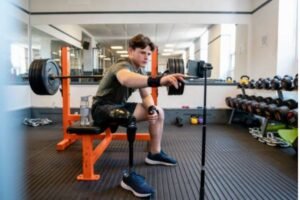
The Amputee Daily Wellness Method™ begins with a simple belief: small acts of care can make a meaningful difference.
After an amputation, people are often encouraged to focus on recovery milestones. These may include learning to use a prosthesis, improving balance, returning to work, or becoming more independent. These goals can be valuable, but they do not represent the complete experience of living with limb loss.
Wellness also includes how you respond to pain, protect your energy, manage difficult emotions, communicate your needs, and maintain a sense of identity.
The method does not expect every amputee to follow the same routine. Some people wear a prosthesis every day, while others use one occasionally or not at all. Some are highly active, while others manage chronic conditions or additional disabilities.
Instead of comparing your progress with someone else’s, the method encourages you to ask what would support your well-being today. Your answer might be gentle movement, better hydration, a conversation with someone you trust, or permission to rest.
Each supportive choice counts, even when it appears small.
Begin Each Day With an Honest Check-In
A daily wellness check-in helps you understand your current needs before placing expectations on yourself.
Take a quiet moment and notice what is happening physically and emotionally. Consider your energy level, pain, skin condition, prosthetic comfort, mood, and responsibilities. You do not need to analyze everything deeply. The purpose is to gather enough information to make helpful decisions.
You might ask yourself:
- How does my body feel today?
- Is my prosthesis comfortable?
- Am I carrying stress, sadness, or frustration?
- How much energy do I realistically have?
- What needs my attention most?
- What can be simplified or postponed?
Your answers may change throughout the day. A socket that felt comfortable in the morning may become uncomfortable later because of heat, activity, or residual limb volume changes. Emotional energy may also decrease after appointments, work, travel, or social interaction.
Responding to these changes is not inconsistency. It is adaptability.
If your capacity is lower today, adjust your routine. If you have more energy, you may decide to do more. Both responses can be part of healthy living after amputation.
Support Your Mind and Protect Your Energy
Life with limb loss can involve a significant amount of mental planning. You may need to consider accessibility, transportation, prosthetic supplies, charging devices, pain levels, appointments, medication, weather, or how much walking an activity requires.
This invisible workload can become exhausting.
Mental wellness begins by noticing when your mind feels overloaded. Instead of trying to solve every concern at once, identify the next important step. Writing down a few priorities can make responsibilities feel more manageable.
Helpful practices may include preparing supplies in advance, keeping medical notes in one place, creating reminders, reducing unnecessary decisions, or asking someone to help with a practical task.
Short grounding activities may also support you during stressful moments. You could take several slow breaths, listen to calming music, sit somewhere quiet, or notice the physical support beneath your body. These actions may not remove the source of stress, but they can create enough space to respond thoughtfully.
Prosthetic difficulties can also affect concentration, confidence, and emotional energy. The article Amputee Mental Health: The Invisible Load of Prosthetic Challenges explores these challenges in greater detail.
Protecting your mental energy is not selfish. It is an important part of sustainable amputee wellness.
Care for Your Body Without Ignoring Its Signals
Physical wellness after limb loss begins with listening to your body. Your residual limb, skin, joints, back, sound limb, and energy level can provide valuable information.
A regular skin check can help you identify redness, blisters, swelling, cuts, pressure areas, or irritation. Prosthesis users should also clean their liners, socks, and other components according to guidance from their prosthetist or manufacturer.
The Amputee Coalition’s skin-care guidance provides practical information about protecting the skin and recognizing potential problems.
Persistent redness, open areas, drainage, unusual swelling, signs of infection, sudden pain, or significant changes in prosthetic fit should not be ignored. Contact your prosthetist or healthcare provider for appropriate advice. Continuing to wear an uncomfortable or poorly fitting prosthesis may worsen certain problems.
Physical care also includes hydration, nutrition, sleep, medication, hygiene, and protection of the sound limb. For some amputees, using a cane, crutches, walker, or wheelchair can improve safety and preserve energy.
Movement should be adapted to your health, ability, and medical guidance. It may include stretching, seated exercise, balance practice, wheelchair mobility, household activity, or a short walk.
Looking down while walking can sometimes be a sensible safety strategy, especially on unfamiliar or uneven surfaces. Read Why It’s Okay to Look Down: Walking Safely and Confidently as a Leg Amputee for more practical guidance.
Caring for your body means working with it, not fighting against it.
Make Room for Difficult Emotions
Limb loss can bring grief, anger, anxiety, sadness, frustration, fear, relief, pride, and many other emotions. These feelings may appear immediately after amputation or return years later during health changes, prosthetic problems, anniversaries, falls, or stressful life events.
Emotional wellness does not require constant positivity. It means recognizing your feelings without treating them as personal failures.
Try completing a simple sentence:
“Today I feel this way because…”
You do not need to solve the emotion immediately. Naming it may help you understand what kind of support you need.
You might write in a journal, speak with someone you trust, join a peer-support group, or contact a qualified mental health professional. Rest, boundaries, and practical assistance can also support emotional health.
The Amputee Coalition’s emotional recovery resources explain that adjustment after limb loss can involve many different emotional responses.
If sadness, anxiety, anger, hopelessness, or loss of interest continues or significantly affects daily life, consider seeking professional support. In the United States, anyone experiencing a mental health crisis or thoughts of self-harm can call or text the 988 Suicide & Crisis Lifeline. Call emergency services if there is immediate danger.
Asking for help is not a weakness. It is a responsible act of self-care.
Stay Connected While Protecting Your Boundaries
Supportive relationships can make living with limb loss feel less isolating. However, friends and family may not always understand what you are experiencing.
Some people may offer unwanted advice, ask intrusive questions, provide help without asking, or make assumptions about your abilities. Others may care deeply but avoid discussing limb loss because they are unsure what to say.
Clear communication can help.
You might explain that you want someone to listen without trying to solve the problem. You can ask people to check before helping, request practical assistance, or say when you need quiet time.
Peer support can be especially valuable. Another amputee may understand the emotional and practical realities of limb loss without requiring a long explanation. Shared experience can provide reassurance, useful ideas, and a stronger sense of belonging.
The Amputee Coalition’s support-services directory can help people find peer visitors, support groups, and other resources.
Healthy connection does not require a large social circle. One honest conversation or regular check-in can be meaningful. Boundaries are equally important. You have the right to protect your privacy, decline questions, change plans, or step away from an exhausting situation.
Nurture Identity, Purpose, and Hope
Limb loss may change parts of your daily life, but it does not remove your identity or determine your value.
You are more than an amputation or a prosthetic device. You may also be a parent, partner, friend, professional, artist, athlete, volunteer, mentor, advocate, or member of a community.
Spiritual wellness can involve religion, but it can also mean connecting with purpose, peace, creativity, nature, or personal values. Prayer, meditation, music, art, time outdoors, volunteering, or supporting another person may help you reconnect with what matters.
Hope does not require believing that every problem will disappear. Sometimes hope means believing that support is available, that a difficult moment can pass, or that life can still contain meaningful experiences.
On a challenging day, ask yourself what still matters to you. The answer may be a person, pet, responsibility, belief, memory, or creative goal.
You do not need a dramatic purpose. A small reason to remain connected to the day can be enough.
Build a Flexible Wellness Routine
A sustainable wellness routine must be able to change with your health, energy, and circumstances.
Rigid routines can become discouraging when pain increases, a prosthesis requires repair, an appointment changes, or an unexpected medical concern appears. A flexible routine allows you to define success differently depending on the day.
On a higher-energy day, your routine might include exercise, meal preparation, work, and social connection. On a moderate-energy day, you may focus on essential responsibilities, gentle movement, and a brief check-in. On a low-energy day, wellness may involve medication, hydration, skin protection, rest, and asking for help.
Simple daily anchors can make the method easier to follow. You might check your skin while getting dressed, drink water with medication, pause before lunch to assess your energy, contact someone supportive in the afternoon, and notice one meaningful moment before bed.
The routine should support you rather than create additional pressure. Keep the practices that are helpful, change those that are not, and allow your approach to evolve.
Professional guidance may also be part of your routine. Depending on your needs, your care team may include a physician, prosthetist, therapist, mental health professional, dietitian, wound-care specialist, or peer mentor.
For practical support informed by an understanding of amputee life, explore Lifelong Prosthetics’ coaching, products, and resources.
This article provides general educational information and should not replace personalized medical or mental health advice. Contact an appropriate professional about new pain, skin problems, prosthetic fit concerns, or changes in your health.
Final Thoughts
Living well with limb loss is not a destination. It is an ongoing process of listening, adapting, and caring for yourself as your needs change.
Some days may include progress, movement, confidence, and connection. Other days may require rest, emotional support, medical attention, or fewer expectations. Both kinds of days can belong within a meaningful life.
The Amputee Daily Wellness Method™ provides a realistic way to care for your mind, body, emotions, relationships, and spirit without demanding perfection.
Begin by asking one honest question:
“What would support me today?”
Your answer might be checking your skin, taking a short walk, drinking water, calling someone you trust, removing an uncomfortable prosthesis, or resting without guilt.
Small actions cannot remove every challenge associated with limb loss. However, when practiced with patience and self-compassion, they can help you build a steadier, healthier, and more personal approach to living well with limb loss.