
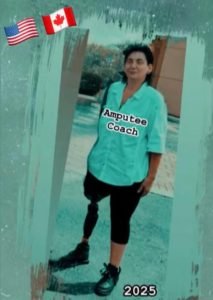
Living with limb loss is not just a physical adjustment — it is emotional, practical, relational, and deeply personal. As an amputee coach, I provide individualized support to help you navigate daily life, prosthetic care, and the complex questions that arise after amputation.
If you’re feeling unsure whether something is a prosthetic issue or a body-related concern, you may also find clarity in this guide: Prosthetic Problem or Body Problem? How to Tell the Difference
Whether you wear a prosthesis full-time, part-time, or choose not to wear one at all, your experience matters. There is no “right” way to live as an amputee — only the way that works best for you.
Active Listening First
Every coaching relationship begins with listening.
I start by learning:
- Your story
- Your current concerns
- What daily life looks like for you
- What feels frustrating, confusing, or uncertain
Many amputees tell me they’ve felt dismissed or misunderstood at some point in their journey. Coaching provides space where your concerns are heard without judgment.
If you are still building awareness around how your residual limb feels day-to-day, you may want to read: Understanding Your Body After Amputation
Active listening builds trust — and trust builds clarity.
Clarity & Understanding
One of the most common sources of stress after limb loss is uncertainty.
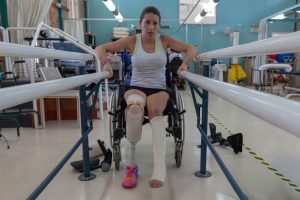
You may find yourself wondering:
- Is this a prosthetic problem?
- Is this a body issue?
- Is this normal?
- Am I overreacting?
Together, we gently sort through what may be:
- A prosthetic-related concern
- A body or comfort issue
- A normal part of the amputee experience
- A pattern worth discussing with your prosthetist
If speaking up during appointments feels uncomfortable, I also share practical communication tools here: How to Talk to Your Prosthetist When Something Feels Different
Understanding patterns reduces anxiety.
Clarity reduces self-blame.
Guidance — Not Replacement Care
It is important to be clear about my role.
I do not:
- Evaluate or diagnose
- Adjust or fabricate prosthetic devices
- Replace your prosthetist or healthcare providers
- Make clinical recommendations
Instead, I help you:
- Prepare for prosthetic appointments
- Organize your questions and observations
- Identify patterns before visits
- Communicate clearly and confidently
Strong communication strengthens the lifelong relationship between amputees and prosthetists.
If you’re preparing for an upcoming visit, you may benefit from reading both: Prosthetic Problem or Body Problem?
How to Talk to Your Prosthetist
Emotional & Mental Health Awareness
Living with limb loss can also affect mental and emotional well-being.
Uncertainty around prosthetic fit or body discomfort may lead to:
- Anxiety before appointments
- Self-doubt
- Pushing through unnecessary pain
- Withdrawal from activities
Sometimes simply understanding what may be happening reduces fear — even before anything changes physically.
You are not weak for needing support.
You are human.
Support as You Need It
Coaching sessions are flexible and scheduled based on your needs.
Some clients reach out:
- Before prosthetic appointments
- During changes in fit
- After surgery or revision
- When frustration builds
- During major life transitions
There is no required long-term commitment. Support is available when it feels helpful.
If you prefer shared experience alongside coaching, you may also be interested in my peer support group below.
Community & Peer Support
In addition to individual coaching, I host several virtual peer support groups:
Amputees Preparing Amputees 4 Life (APA4L) &
APA4L: Single-Leg Above Knee Amputees.
Peer connection offers something coaching alone cannot — shared lived experience and community support.
Participation in APA4L is:
- Optional
- Independent from coaching services
- Focused on connection rather than clinical guidance
About Me
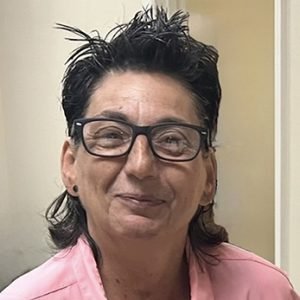
Lynn DeCola
Lifelong Prosthetics Amputee Coach
With over 30 years of personal and professional experience in orthotics and prosthetics, I provide practical education and grounded support — without replacing medical providers.
My work centers on clarity, communication, wellness, and strengthening prosthetist–amputee relationships.
Schedule a Coaching Session
If you’re feeling uncertain, frustrated, or simply want clearer understanding of what your body and prosthesis are telling you, support is available.
 Schedule a session:
https://lifelongprosthetics.youcanbook.me/several