

Navigating the journey of prosthetic recovery after lower limb amputation is a challenging yet transformative experience for individuals seeking to reclaim mobility and independence.
The road to prosthetic rehabilitation is paved with various factors, each influencing the success and outcomes of the recovery process.
From medical considerations to psychological, social, and financial aspects, every element plays a crucial role in shaping the journey toward regaining functionality and quality of life.
In this exploration, we delve into the multifaceted factors impacting prosthetic recovery, shedding light on the complexities and opportunities for support along the way.
These factors include:
Reason for Amputation:
o Trauma or scheduled surgery
o Vascular issues
o Complications associated with diabetes
o Cancer
o Failed limb salvage
o Planned surgery
Other Medical Factors:
o Other health issues/amputations
o Healing process/revisions
o Potential infections
o Falls/fear of falling
o K-Level (rehab potential)
o Properly fitting socket
o Gel/Silicone Liner for protection
o Appropriate knee and/or foot
o Proper alignment
o Painful prosthesis even after adjustments
o Overall body pain
o Contractures
o Prosthetic gait training
o Proper footwear
o Traumatic brain injury (TBI)
o Residual limb health
o Prosthetic sock management
o Balance issues
o Vision
Financial and Insurance Factors:
o Waiting for insurance authorization
o Insurance denials
o Job loss
o Medicaid/Medicare/disability denials
o Financial difficulties leading to inability to pay bills
o Risk of losing home
Psychological and Social Factors:
o Mental health issues such as depression
o Healthcare workers unfamiliar with amputation
o Personal support system
o Partner leaving or lack of support
Accessibility and Mobility Factors:
o Improperly fitted manual wheelchair
o Vehicle no longer accessible
o Loss of independence
o Inaccessible bathroom (in home)
Rehabilitation and Support Services:
o Pre-amputation therapy
o Post-amputation therapy
o Access to rehabilitation facilities and specialists
o Availability of assistive devices and technologies
o Cultural or social stigmas related to amputation
o Transportation barriers
o Accessibility of recreational activities or hobbies
o Access to peer support groups or community resources
o Access to adaptive sports or physical activities
o Family dynamics and caregiving responsibilities
o Educational or vocational rehabilitation opportunities
o Access to mental health support services
o Availability of financial assistance programs or grants
o Good communication with therapists
o Lifelong relationship with prosthetist
o Prosthetic follow-ups
To those of you living with lower limb amputation, it's understandable that obtaining a prosthesis and resuming walking after amputation is a significant motivation.
Various factors influence this motivation and prosthetic outcomes.
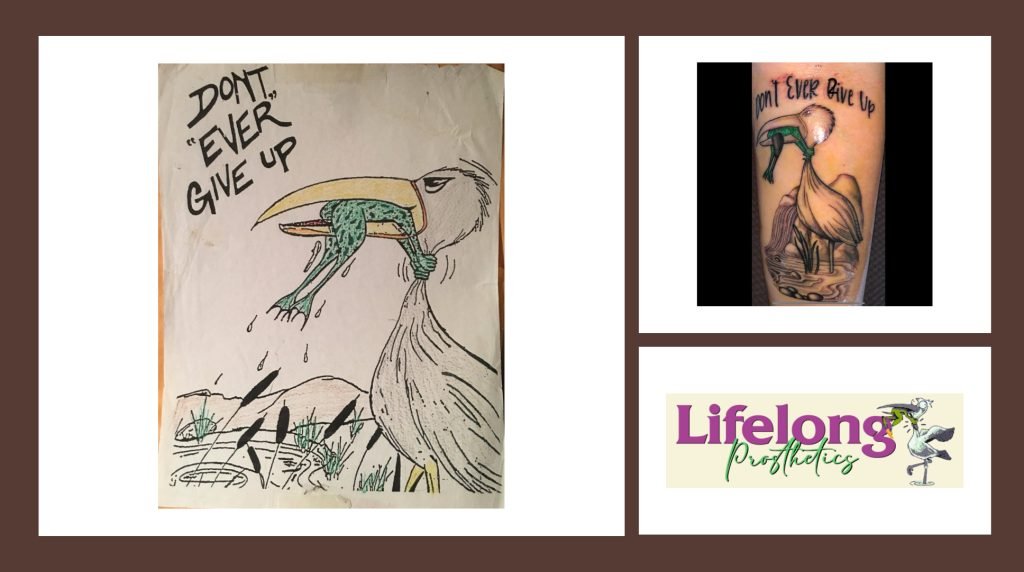
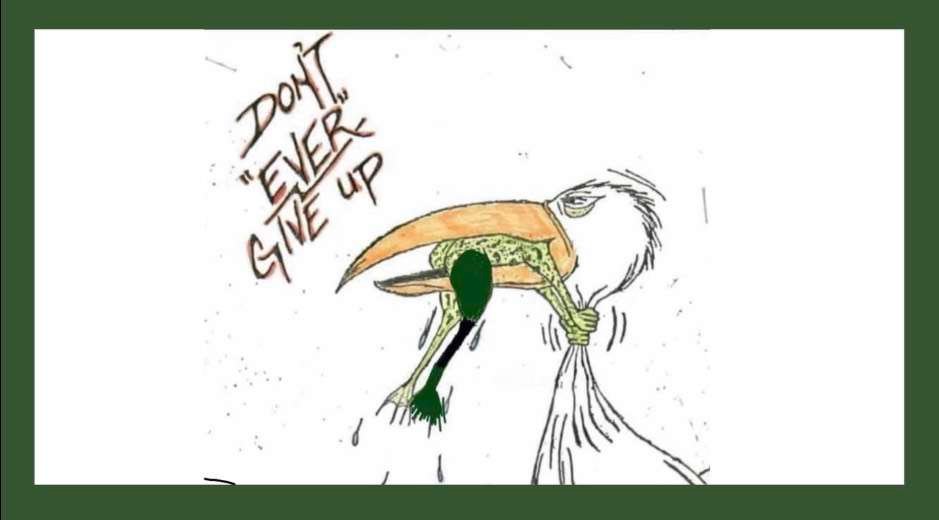
It's important to remember not to give up!
Find support at Amputees Preparing Amputees 4 Life (Facebook/Zoom) and contact Lynn DeCola, Amputee & Prosthetics Coach, for additional assistance.