
Finding Purpose After Limb Loss can begin with understanding that life may take a different direction than expected. Beyond surgery, rehabilitation, prosthetic fittings, and physical recovery, many people eventually face a deeply personal question: What does my life look like now?
Finding purpose after limb loss does not mean pretending that nothing changed. It also does not require becoming an athlete, advocate, motivational speaker, or example of extraordinary resilience. Purpose can be much quieter. It may be caring for family, returning to meaningful work, learning something new, creating art, helping another amputee, spending time with people you love, or simply rebuilding a daily life that feels like your own.
Life after amputation can include grief, frustration, uncertainty, confidence, connection, and growth at the same time. The goal is not to recreate your previous life perfectly. It is to understand what still matters to you and discover new ways to live according to those values.
The Lifelong Prosthetics Resource Center explores many parts of this adjustment, from physical wellness and prosthetic care to mental health, confidence, and relationships. Finding purpose is another part of that journey, and there is no single timeline for reaching it.
Finding Purpose After Limb Loss: Understand That Purpose Can Change
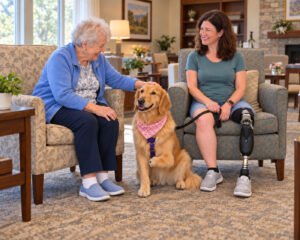
Before amputation, purpose may have been connected to a career, physical abilities, family responsibilities, hobbies, sports, travel, or plans for the future. When limb loss changes how those activities are performed, it can feel as though part of your direction disappeared with them.
Purpose, however, is not limited to a particular physical ability.
You may still value independence even if the way you achieve it has changed. You may still value adventure even if trips require more planning. You may still be a caregiver even if some household responsibilities need to be shared. You may still value your career even if you return in a different role.
A meaningful life after amputation does not have to look like the life you originally planned.
Lifelong Prosthetics’ Amputee Daily Wellness Method™ emphasizes that living well with limb loss is personal and can look different from day to day. Purpose can work the same way. Some seasons of life may focus on rehabilitation and health. Others may center on family, work, creativity, friendships, volunteering, or personal growth.
You do not need to identify one permanent life purpose. It is enough to recognize what matters to you now and begin building around it.
Finding Purpose After Limb Loss: Allow Grief and Meaning to Exist at the Same Time
Finding purpose after limb loss does not require finishing grief first.
A person may feel hopeful about the future while still missing the ease of their previous routines. They may appreciate what they can do while grieving activities that have become difficult. They may make significant progress and still experience anger, sadness, anxiety, or exhaustion.
The Amputee Coalition’s emotional recovery resources recognize that emotional adjustment after amputation can include grief, anxiety, depression, trauma, and other changing responses. Emotional recovery is individual rather than a simple, predictable process. (Amputee Coalition)
Trying to force yourself into positivity can sometimes make it harder to identify what you actually need. Instead, acknowledge both the losses and the possibilities.
Ask yourself what you miss most. The answer may reveal an important value underneath the loss. If you miss playing a sport, perhaps you value competition, movement, teamwork, or being outdoors. If you miss your previous job, perhaps you value expertise, contribution, financial independence, or connection with coworkers.
Once the underlying value becomes clearer, you can explore different ways to express it.
For more support with the emotional side of adjustment, Lifelong Prosthetics discusses grief, identity, anxiety, and changing expectations in Mental Health After Amputation: Coping With Grief, Anxiety, and Change.
Reconnect With the Parts of Your Identity That Still Matter
Amputation changes the body, but it does not erase an entire identity.
You are still shaped by your experiences, knowledge, relationships, personality, interests, beliefs, humor, responsibilities, and values. At the same time, it is understandable if limb loss changes how you see yourself.
Some people feel strongly connected to being part of the amputee community. Others consider amputation only one element of a much larger identity. Neither approach is more correct.
Instead of asking, “Who was I before this happened?” consider asking, “What parts of me still matter, and what new parts of myself am I discovering?”
You may still be a parent, spouse, friend, professional, musician, business owner, gardener, traveler, mentor, student, volunteer, or creator. The way you participate in these roles may change without making them less meaningful.
Building Confidence After Limb Loss explores this idea in greater depth, including how identity, relationships, independence, and body image can evolve after amputation.
Rebuilding identity is not necessarily about returning to the person you were. It can involve carrying forward what still matters while making room for the person you are becoming.
Finding Purpose After Limb Loss Through Small and Meaningful Goals
Purpose can sound like a huge concept, but meaningful lives are usually built through ordinary actions.
You do not need a dramatic new goal immediately after amputation. Start with something that gives the day direction.
That might mean preparing breakfast independently, spending time outside, completing therapy exercises, calling a friend, working on a hobby, attending an appointment, learning an adaptive technique, preparing a meal, or going somewhere that has felt intimidating.
Small goals can restore a sense of participation and choice.
The important question is not whether a goal looks impressive to someone else. Ask whether it matters to you.
Physical comfort and energy also affect what is realistic. Pain, fatigue, skin irritation, prosthetic problems, medical appointments, or poor sleep can change your capacity. A meaningful goal should work with your current circumstances rather than punish you for them.
The Lifelong Prosthetics article on daily self-care for amputees encourages flexible routines based on pain, energy, mobility, and individual needs. The same flexibility can help when building purpose.
On a stronger day, progress might mean getting out into the community. On a difficult day, protecting your health and staying connected to one person may be enough.
Both days still belong to a meaningful life.
Explore Work, Learning, Creativity, and New Possibilities
For many adults, work provides more than income. It can provide routine, identity, social interaction, expertise, and a sense of contribution. Losing the ability to perform a previous job in the same way can therefore affect both practical life and personal identity.
Returning to meaningful work may involve going back to the same position, changing responsibilities, retraining, starting a different career, working remotely, building a business, or volunteering while deciding what comes next.
In the United States, qualified workers with disabilities may be entitled to reasonable workplace accommodations under the Americans with Disabilities Act. The U.S. Equal Employment Opportunity Commission provides information about employment rights and requesting accommodations. (EEOC)
The Job Accommodation Network’s information on amputation also explains that accommodation needs vary considerably from person to person and provides examples of workplace solutions. (JAN)
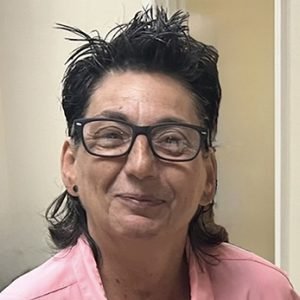
A changed career path can sometimes lead somewhere unexpected. In Every Day Is My Amputee Rehab, Lynn DeCola shares how being unable to return to her previous package-delivery job eventually contributed to a new direction in orthotics and prosthetics, patient care, advocacy, and amputee support.
Your next meaningful role may involve skills you already possess, or it may introduce you to abilities you have not yet had a reason to develop.
Find Meaning Through Relationships and Community
Purpose does not have to come from achievement.
For many people, some of the strongest sources of meaning are relationships: being a parent, grandparent, partner, friend, neighbor, mentor, teammate, or member of a community.
After limb loss, relationships can change. You may need more help in certain situations while wanting independence in others. Friends may be unsure what to say. Family members may become protective. Social activities may require additional planning because of fatigue, accessibility, transportation, or mobility.
Connection is still worth protecting.
Start with people who allow you to be honest. A supportive relationship should have space for difficult days without requiring you to perform optimism or prove how well you are coping.
Connecting with other people who have experienced limb loss can provide another type of understanding. The Amputee Coalition’s support services include peer support, support groups, resource navigation, and community connections. (Amputee Coalition)
Over time, you may also discover meaning by supporting someone else. Sharing a practical lesson, listening to a newly amputated person, volunteering, mentoring, or participating in advocacy can turn lived experience into connection.
There is no obligation to become a mentor or advocate, however. Receiving support can be just as meaningful as providing it.
Let Mobility Support Your Life Instead of Define It
It is easy for life after amputation to become centered around physical milestones: walking farther, wearing a prosthesis longer, improving gait, using fewer mobility aids, or reaching a certain activity level.
Those goals can be valuable, but mobility is a tool for living rather than a measure of personal worth.
A prosthesis may help you participate in activities that matter. A wheelchair may make a long outing possible without exhausting your energy. Crutches, a walker, adaptive equipment, or assistance from another person may create access that would otherwise be difficult.
Choosing the right mobility strategy for a particular situation is not giving up independence. It can be a way of protecting it.
Lifelong Prosthetics makes a similar point in Why It’s Okay to Look Down: Walking Safely and Confidently as a Leg Amputee, emphasizing awareness, safety, and finding approaches that work for the individual.
Instead of asking whether you are moving like someone else, ask whether your current tools allow you to participate in the life you want.
Purpose exists beyond prosthetic wear time, walking distance, or physical performance. The meaningful outcome is participation, choice, connection, and quality of life.
Ask for Support When Finding Direction Feels Difficult
There may be periods when purpose feels distant.
Pain, depression, anxiety, repeated prosthetic problems, financial stress, relationship changes, inaccessible environments, or disappointment about recovery can make it difficult to imagine a meaningful future.
You do not have to solve those challenges alone.
Different concerns may require different kinds of support. Physicians can address medical issues. Prosthetists can evaluate device fit and function. Physical and occupational therapists can assist with mobility and everyday activities. Licensed mental health professionals can help when grief, anxiety, trauma, depression, or other emotional concerns interfere with daily life.
The National Institute of Mental Health explains that psychotherapy can help people address difficult emotions and patterns while supporting daily functioning and quality of life. (National Institute of Mental Health)
Peer support can provide shared experience, while coaching can help with practical questions, self-advocacy, goals, and communication.
Lifelong Prosthetics provides independent amputee coaching and support grounded in lived and professional experience. The service is non-clinical and is designed to help individuals, families, and healthcare teams navigate practical aspects of life before and after amputation. (Lifelong Prosthetics)
Sometimes finding purpose begins with something much smaller than discovering a new direction. It may begin with having an honest conversation about what is not working and identifying one change that could make life more manageable.
Final Thoughts
Finding purpose after limb loss is not about proving that amputation made you stronger or turning a difficult experience into something inspirational.
It is about creating a life that still contains things that matter to you.
Some parts of that life may look familiar. Others may be completely different. You may return to previous relationships, hobbies, responsibilities, and work, but approach them differently. You may discover new interests, communities, roles, or priorities that you never expected.
Purpose can also change over time.
During rehabilitation, purpose may simply mean taking care of your body and learning what you need. Later, it may involve returning to work, reconnecting socially, traveling, creating something, raising a family, volunteering, supporting another amputee, or pursuing a goal that has nothing to do with limb loss.
There is no requirement to make your amputation the center of your story.
Your life can contain grief without being defined by grief. It can include assistance without losing independence. It can include limitations while still making room for relationships, contribution, curiosity, joy, work, creativity, and hope.
Start with what matters today. Choose one manageable action that moves you closer to it. Allow the definition of progress to change when your body, circumstances, or priorities change.
A meaningful life beyond amputation is not created by reaching one final milestone. It develops through the choices, relationships, adaptations, and experiences that gradually make life feel like yours again.