



Living with limb loss presents unique challenges, but modern prosthetic technology offers incredible opportunities for mobility and independence. For amputees, proper prosthetic care plays an important role in maintaining daily comfort and confidence. Using prosthetic lubricant for amputees can help reduce friction, improve movement, and enhance the overall wearing experience of a prosthetic limb. As an amputee, maintaining the comfort and functionality of your prosthetic limb is paramount to your daily life. One essential component of prosthetic care that you may not be familiar with is prosthetic lubricant, which supports smoother movement and helps improve prosthetic performance. At Lifelong Prosthetics (/), we understand the importance of effective prosthetic care solutions and how they can help amputees achieve greater comfort and independence. In this article, we’ll explore what prosthetic lubricant is, why it’s crucial for amputees, and how to use it effectively to enhance your prosthetic experience.
What is Prosthetic Lubricant?
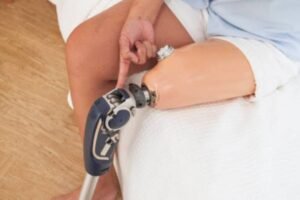
Prosthetic lubricant, also known as prosthetic gel or silicone gel, is a specialized product designed to reduce friction and irritation between your residual limb and the prosthetic socket. According to resources from Amputee Coalition (https://www.amputee-coalition.org/), proper residual limb care is an important part of maintaining comfort and preventing skin-related issues for amputees. It typically comes in the form of a gel or cream and is applied directly to the skin or the interior of the prosthetic socket before donning the prosthesis. The primary purpose of prosthetic lubricant is to create a smooth, friction-free interface between your skin and the prosthetic, thereby minimizing discomfort and preventing skin abrasions or blisters. Professional guidance from the American Academy of Orthotists and Prosthetists (https://www.oandp.org/) can also help users better understand prosthetic socket care and maintenance.
Why is Prosthetic Lubricant Important for Amputees?
- Enhanced Comfort: Wearing a prosthetic limb can exert pressure and friction on your residual limb, leading to discomfort, chafing, and even sores. Prosthetic lubricant acts as a cushion, reducing friction and providing a more comfortable fit throughout the day.
- Skin Protection: Continuous rubbing between your skin and the prosthetic socket can cause skin irritation and breakdown over time. By applying lubricant, you create a protective barrier that helps prevent skin damage, allowing you to wear your prosthesis for longer periods without discomfort or adverse effects.
- Improved Mobility: Discomfort and skin irritation can limit your ability to move freely with your prosthetic limb. Using lubricant promotes smoother movement and reduces the risk of skin-related issues, enabling you to engage in various activities with greater ease and confidence.
- Long-Term Prosthetic Health: Regular use of prosthetic lubricant helps prolong the lifespan of your prosthetic components by minimizing wear and tear caused by friction. By preserving the integrity of your prosthetic socket and liners, you can avoid premature deterioration and costly repairs or replacements.
How to Use Prosthetic Lubricant Effectively:
- Choose the Right Product: Select a prosthetic lubricant that is specifically formulated for use with prosthetic limbs. Look for products that are hypoallergenic, non-greasy, and compatible with your skin type to ensure optimal comfort and effectiveness.
- Apply Properly: Before donning your prosthetic limb, apply a thin layer of lubricant to your residual limb or directly inside the prosthetic socket. Be sure to spread the product evenly to ensure uniform coverage and maximum friction reduction.
- Reapply as Needed: Depending on your activity level and the duration of wear, you may need to reapply prosthetic lubricant throughout the day to maintain optimal comfort and protection. Listen to your body’s cues and apply additional lubricant as necessary to alleviate any discomfort or friction.
- Clean and Maintain: After removing your prosthetic limb, clean the residual limb and prosthetic socket thoroughly to remove any residue from the lubricant. Proper hygiene and maintenance are essential for preventing skin infections and preserving the longevity of your prosthetic components.
Conclusion
In conclusion, prosthetic lubricant plays a crucial role in enhancing the comfort, mobility, and overall well-being of amputees. By incorporating this simple yet effective solution into your prosthetic care routine, you can enjoy greater comfort, improved skin health, and a more satisfying prosthetic experience. Remember to consult with your prosthetist or healthcare provider for personalized recommendations on selecting and using prosthetic lubricant based on your individual needs and preferences. With the right care and attention, your prosthetic limb can continue to empower you to live life to the fullest.