


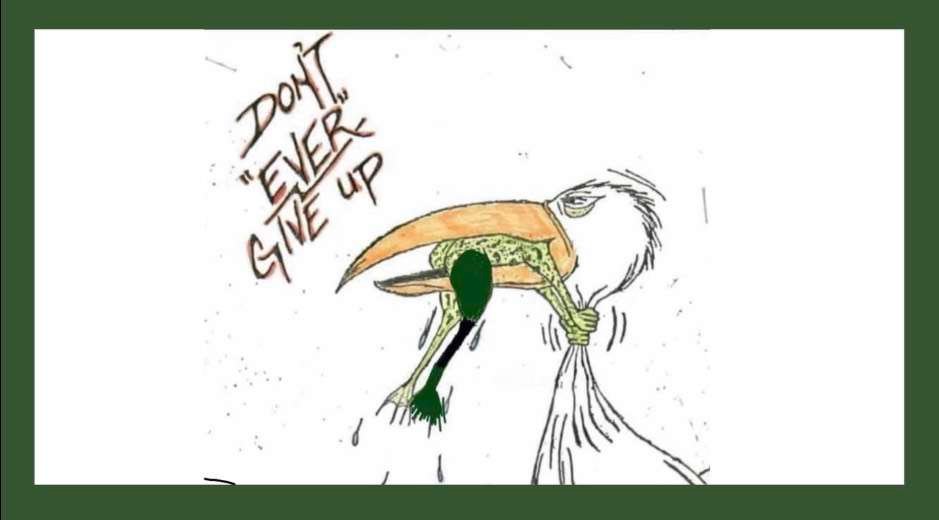
Navigating Emotional Terrain After Limb Loss
Coping with the aftermath of limb loss and grief takes various forms, and every individual’s healing journey is unique. Some people channel their energy into remarkable achievements, such as completing marathons, exploring new opportunities, traveling the world, or discovering new passions after amputation. These accomplishments show the strength, resilience, and determination that many individuals develop while adapting to life after limb loss. Learning more about Rehabilitation After Amputation can help individuals understand the physical recovery process and steps toward adjusting to a new lifestyle.
However, others may experience deep sadness, frustration, anxiety, or emotional struggles as they adjust to physical and personal changes. If you find yourself facing grief or uncertainty, remember that you are not alone on this journey. Seeking support from family, healthcare professionals, and peer communities can provide comfort and encouragement. With time, patience, and proper guidance, many individuals learn to adapt, regain confidence, and build fulfilling lives after limb loss. Exploring Mental Health Support for Amputees can also provide helpful resources for managing emotions, building resilience, and improving overall well-being after limb loss.
Distinguishing Grief from Depression

In the grieving process, it’s natural to experience emotions such as anger, sorrow, or a sense of diminished self-worth. Despite these feelings, there are still moments of joy and glimpses of life’s pleasures.
In contrast, clinical depression entails a persistent state of these emotions. Accepting support becomes challenging due to self-isolation, exacerbating the sense of despair.
Symptoms of clinical depression include fatigue, social withdrawal, loss of interest in once-cherished activities, difficulty concentrating, appetite changes, and disruptions in sleep patterns.
Depression is a serious condition. If you’re battling depression, seek assistance from a counselor, psychiatrist, or mental health professional.
Processing Limb Loss and Grief
Acknowledging the legitimacy of grief after limb loss and grief is the initial step. It’s okay to feel angry, frustrated, or sad. This trauma alters your life profoundly, and it’s crucial to validate those emotions. Drawing inspiration from C.S. Lewis’s poignant work, “A Grief Observed,” where he beautifully reflects, “No one ever told me that grief felt so much like fear.”
Recognizing that limb loss and grief entails additional losses, both physical and emotional, is the second step. Whether utilizing a prosthetic limb or not, amputation brings about lasting changes. Certain activities may no longer be feasible initially, but adaptation is possible over time through rehabilitation after amputation and professional guidance. Resources from organizations such as the Amputee Coalition can also provide valuable information and support for people adjusting to life after limb loss. https://www.amputee-coalition.org/)
Accepting that your body image may evolve is the third step. Focus on aspects beyond physical appearance and explore avenues to enhance your overall well-being with guidance from healthcare professionals, including mental health support for amputees and counseling services. According to the American Psychological Association (APA), emotional support and healthy coping strategies play an important role in adapting to major life changes. https://www.apa.org/)
Express rather than suppress your emotions, which is the fourth step. Utilize various outlets such as journaling, artistic endeavors, or music to articulate your feelings. Reflecting on Lewis’s words, “We read to know we are not alone,” find solace in creative expressions and explore additional limb loss and grief management techniques to process emotions in a healthy way.
Engage with others who have undergone similar experiences, as advised in the fifth step. Sharing stories and seeking guidance from peers can provide solace and inspiration. Joining amputee support communities or connecting with established peer-support networks can help individuals feel less isolated and more empowered throughout their recovery journey.
The Crux of the Matter
Take each day as it comes. When confronted with challenges and despair, prioritize being present and acknowledging your feelings. Embrace the spectrum of emotions without fear.
However, do not shoulder the burden alone. Seek out communities, support systems, or compassionate listeners to accompany you on this journey. Surrounding yourself with the right companionship can imbue you with the strength to persevere.
Remember, even in the darkest moments, there is light; keep moving forward, for brighter days await.