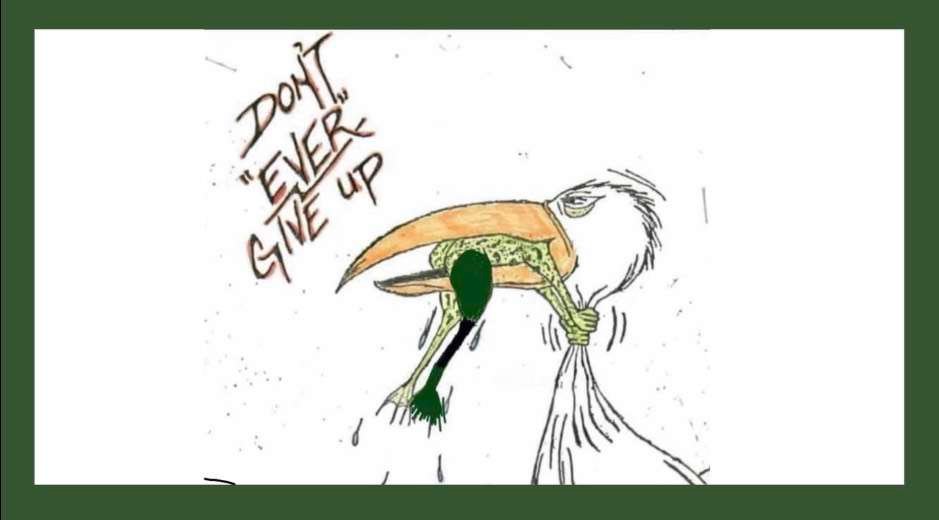
Embarking on the journey of Lifelong Prosthetics recovery after lower limb amputation presents both challenges and transformative experiences. As individuals seek to reclaim mobility and independence, a myriad of medical factors play a pivotal role in shaping the trajectory of their rehabilitation process.
The journey of Prosthetics Recovery after lower limb amputation is a complex process involving physical healing, rehabilitation, emotional adjustment, and long-term care. Every individual’s recovery path is different and depends on several factors, including residual limb health, prosthetic fitting, pain management, and mobility training.
For individuals adapting to life after amputation, understanding these medical factors can improve comfort, independence, and confidence. Through personalized treatment plans and professional guidance, Prosthetics Recovery can help individuals regain mobility and achieve a better quality of life.
At Lifelong Prosthetics, individuals can access guidance and solutions designed to support every stage of their prosthetic journey.
Medical Conditions That Influence Prosthetics Recovery
Existing health conditions can significantly affect the success of Prosthetics Recovery. Conditions such as diabetes, circulation problems, nerve disorders, and other chronic illnesses may impact wound healing, physical strength, and participation in rehabilitation.
Managing these medical conditions effectively creates a stronger foundation for successful prosthetic use and long-term mobility.
According to the Amputee Coalition, education, support, and rehabilitation resources play an important role in helping individuals adjust after limb loss.
Healing, Residual Limb Care, and Prosthetic Preparation
The healing process after amputation surgery is a critical stage of Prosthetics Recovery. Proper wound healing, scar management, and residual limb care influence when an individual can begin prosthetic fitting and rehabilitation.
Maintaining proper residual limb health helps prevent skin irritation, pressure problems, and discomfort while improving prosthetic fit and function.
A healthy residual limb provides a better foundation for long-term comfort, mobility, and independence.
Prosthetic Fit, Components, and Comfort Management
A successful Prosthetics Recovery journey depends on selecting the right prosthetic components and achieving proper fitting. The socket, suspension system, liner, knee, and foot components must work together to provide stability, comfort, and natural movement.
Customized prosthetic solutions are designed according to individual anatomy, lifestyle, activity level, and mobility goals.
Important factors include:
- Proper socket design
- Secure suspension systems
- Protective liners
- Appropriate knee and foot components
- Correct prosthetic alignment
Poor fitting or alignment can result in discomfort, skin issues, inefficient movement patterns, and increased stress on other areas of the body.
For additional information about rehabilitation and neurological conditions affecting mobility, visit the National Institute of Neurological Disorders and Stroke.
Rehabilitation, Balance Training, and Prosthetic Walking Skills
Learning to walk with a prosthetic limb requires patience, practice, and professional support. Prosthetic rehabilitation focuses on improving gait patterns, balance, coordination, and confidence.
Many individuals experience challenges such as fear of falling, balance difficulties, muscle weakness, and difficulty adapting to new movement patterns.
Specialized gait training and physical therapy help individuals develop safer walking techniques and improve overall mobility during their recovery journey.
Managing Pain and Long-Term Physical Challenges
Pain management is an essential part of long-term Prosthetics Recovery. Some individuals may experience discomfort caused by socket pressure, alignment problems, or changes in posture and movement patterns.
Common physical challenges may include:
- Residual limb discomfort
- Back pain
- Joint stress
- Overuse injuries in the unaffected leg
- Shoulder discomfort from mobility aids
Regular prosthetic evaluation and proper adjustments can improve comfort, enhance mobility, and encourage consistent prosthetic use.
Lifestyle Adaptation and Achieving Long-Term Independence
Successful Prosthetics Recovery is not only about learning to walk with a prosthetic limb. It is about rebuilding independence, confidence, and the ability to participate in everyday activities.
Important lifestyle factors include:
- Selecting proper footwear
- Maintaining prosthetic equipment
- Monitoring skin health
- Staying physically active
- Continuing rehabilitation exercises
- Receiving ongoing professional support
With continued care and access to appropriate prosthetic care resources, individuals can continue improving mobility and quality of life.
Final Thought
The journey of Prosthetics Recovery is unique for every lower limb amputee. Medical conditions, healing progress, prosthetic technology, rehabilitation, and personal dedication all influence long-term success.
A successful recovery requires collaboration between individuals, prosthetists, therapists, and healthcare professionals. Through personalized care, continuous improvement, and the right support system, individuals can overcome challenges and achieve greater mobility and independence.
At Lifelong Prosthetics, the goal is to support individuals throughout their recovery journey by providing customized prosthetic solutions and resources that help improve comfort, movement, and quality of life.
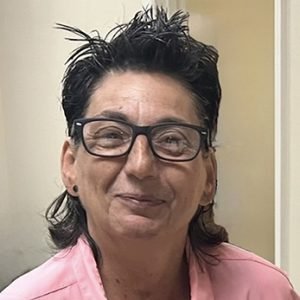
Lynn DeCola, Amputee Coach, CPO, LPO (retired)
Lifelong Prosthetics, LLC
Website: Lifelongprosthetics.com
Phone: 727-415-4720
Email: Lynn@lifelongprosthetics.com