
Amputee Wellness: Life after limb loss involves much more than physical recovery. While learning to use a prosthesis, managing changes in mobility, and adapting to new routines are important parts of the journey, emotional wellness plays an equally important role. Many amputees experience moments of frustration, uncertainty, grief, and fear as they adjust to a different way of living.
Developing a positive mindset does not mean ignoring difficult emotions or pretending challenges do not exist. Instead, positive thinking for amputees involves building emotional strength, recognizing progress, and finding meaningful ways to move forward despite obstacles.
Gratitude is one powerful tool that can support amputee wellness. By focusing on what is still possible, appreciating small achievements, and recognizing sources of support, amputees can develop greater confidence and resilience throughout their recovery journey.
At Lifelong Prosthetics, amputee support focuses on helping individuals better understand their options, communicate their needs, and regain confidence in their everyday lives. Through education and personalized guidance, amputees can take an active role in their care and create a path toward improved quality of life. (Lifelong Prosthetics)
Amputee Wellness: Understanding the Connection Between Positive Thinking
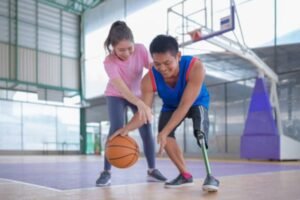
After amputation, it is normal to experience a wide range of emotions. Some people may feel sadness over physical changes, frustration with rehabilitation progress, or anxiety about returning to activities they once enjoyed.
Amputee wellness is influenced by both physical and emotional health. A positive mindset can help individuals approach challenges with more patience and confidence. Instead of viewing setbacks as permanent failures, positive thinking encourages a person to see them as temporary obstacles that can be managed.
For example, struggling with prosthetic adjustments or experiencing discomfort does not mean someone will never walk comfortably again. It may simply mean additional support, communication with a prosthetist, or adjustments are needed.
A healthy mindset allows amputees to focus on solutions rather than becoming overwhelmed by problems. This approach can make rehabilitation feel more manageable and help individuals stay motivated during difficult periods.
Positive thinking is not about forcing happiness every day. It is about creating mental habits that encourage hope, problem-solving, and self-compassion.
How Gratitude Helps Amputees Build Emotional Strength
Gratitude is the practice of recognizing and appreciating the positive aspects of life, even during challenging circumstances. For amputees, gratitude can become a valuable part of emotional healing.
After limb loss, it can be easy to focus only on what has changed. However, intentionally noticing what remains possible can shift attention toward growth and progress. Research on positive psychology suggests that practices such as gratitude and optimism can support emotional resilience and overall well-being.
Gratitude may involve appreciating:
- The ability to participate in rehabilitation
- Support from family and friends
- Small improvements in mobility
- Advancements in prosthetic technology
- Personal strength developed through challenges
- Moments of independence
- Simple daily activities that bring joy
These reflections can help reduce feelings of helplessness and encourage a stronger sense of control.
Many amputees discover that their journey reveals strengths they did not know they possessed. Overcoming physical challenges can build patience, determination, and confidence. Recognizing these personal victories is an important part of amputee wellness. Resources from organizations such as the Amputee Coalition also emphasize the importance of emotional support, peer connection, and education in helping individuals adjust after limb loss.
Building an Amputee Mindset Focused on Growth and Possibility
An amputee mindset centered on growth focuses on what can be achieved rather than only on what has been lost.
Every person’s experience with limb loss is different. Some individuals may return quickly to previous activities, while others may require more time and support. Comparing progress with someone else’s journey can create unnecessary frustration.
Instead, focusing on personal goals can create a healthier perspective.
A growth-focused mindset may include:
- Setting realistic rehabilitation goals
- Celebrating small improvements
- Learning from challenges
- Asking questions about prosthetic care
- Seeking support when needed
- Remaining open to new possibilities
For example, taking a few additional steps with a prosthesis, improving balance, or becoming more comfortable with daily routines are meaningful achievements.
Progress after amputation is not always measured by major milestones. Often, the small victories create the foundation for long-term confidence.
Lifelong Prosthetics’ resources highlight the importance of confidence, education, and personalized support in helping amputees navigate life after limb loss. (Lifelong Prosthetics)
The Role of Self-Compassion in Amputee Recovery
Positive thinking begins with how individuals speak to themselves. Many amputees are harder on themselves than they would be toward someone else facing similar challenges.
Self-compassion means recognizing that recovery takes time and that setbacks are part of the process.
Instead of thinking:
“I should be further along.”
A more supportive thought may be:
“I am making progress, and I am learning what my body needs.”
This change in perspective can reduce stress and encourage continued effort.
Self-compassion is especially important during difficult moments, such as:
- Adjusting to a new prosthesis
- Experiencing socket discomfort
- Managing fatigue
- Learning new movement patterns
- Facing unexpected rehabilitation challenges
Amputees who practice kindness toward themselves often find it easier to stay motivated and engaged with their recovery.
Emotional wellness is not separate from physical progress. A healthier mindset can influence confidence, motivation, and willingness to continue working toward personal goals.
Using Daily Gratitude Practices to Improve Amputee Wellness
Developing gratitude does not require major lifestyle changes. Simple daily practices can help create a more positive outlook over time.
One effective approach is keeping a gratitude journal. Writing down a few things to appreciate each day can train the mind to notice positive experiences.
For amputees, gratitude journaling may include:
A successful therapy session
A comfortable day wearing a prosthesis
A supportive conversation
Completing a personal goal
Enjoying time with loved ones
Another helpful practice is celebrating progress intentionally. Many people focus so much on reaching the next goal that they forget to acknowledge how far they have already come.
Taking time to recognize achievements reinforces confidence and reminds amputees that improvement happens gradually.
Gratitude can also strengthen relationships. Expressing appreciation toward caregivers, family members, friends, and healthcare professionals can create stronger support systems throughout the recovery process.
How Support Systems Improve Emotional Wellness After Limb Loss
No amputee should feel like they have to navigate the journey alone. Emotional support can make a significant difference in building confidence and maintaining a positive outlook.
Support may come from:
Family members
Friends
Healthcare professionals
Physical therapists
Prosthetists
Amputee coaches
Peer communities
Connecting with people who understand the challenges of limb loss can reduce feelings of isolation.
Lifelong Prosthetics provides amputee coaching and education designed to help individuals better understand their prosthetic journey, communicate effectively with their care teams, and feel more confident moving forward. (Lifelong Prosthetics)
Having someone who understands both the emotional and practical challenges of amputation can provide encouragement during difficult moments.
Support does not remove every challenge, but it can make those challenges easier to manage.
Managing Setbacks With a Positive Approach
Setbacks are a natural part of life after amputation. A prosthetic adjustment may not work immediately. Rehabilitation progress may slow down. Pain, fatigue, or frustration may appear unexpectedly.
A positive approach does not mean denying these difficulties. Instead, it means responding to them with patience and problem-solving.
When facing setbacks, amputees can ask:
What can I learn from this situation?
What support do I need right now?
What small step can I take today?
Who can help me find a solution?
This approach creates a sense of empowerment. Rather than feeling controlled by challenges, individuals become active participants in finding solutions.
Resilience develops through repeated experiences of overcoming obstacles. Each challenge successfully managed can strengthen confidence for future situations.
Creating a Wellness Routine That Supports Mind and Body
Amputee wellness involves caring for both physical and emotional health. A balanced routine can support mobility, confidence, and overall quality of life.
A wellness routine may include:
Regular movement and rehabilitation exercises
Proper prosthetic care
Healthy nutrition
Adequate rest
Stress management techniques
Positive social connections
Personal hobbies and interests
Mental wellness practices, such as gratitude and positive thinking, work best when combined with physical care.
It is also important for amputees to continue learning about their bodies and prosthetic needs. Understanding how to communicate concerns and advocate for proper support can improve confidence and comfort.
A wellness routine should be personalized. What works for one person may not work for another. The goal is to create habits that support individual needs, goals, and lifestyle.
Final Thoughts
The journey after limb loss includes challenges, adjustments, and moments of uncertainty. However, it also includes opportunities for growth, resilience, and personal achievement.
Gratitude and positive thinking can play an important role in amputee wellness by helping individuals recognize progress, maintain motivation, and develop confidence. These practices do not eliminate difficulties, but they can change how challenges are approached.
Every step forward matters. Whether it is learning a new skill, improving mobility, becoming more comfortable with a prosthesis, or simply finding confidence in daily life, progress deserves recognition.
A positive mindset is not about forgetting what has been lost. It is about recognizing what is still possible.
With the right support, education, and encouragement, amputees can continue building meaningful, active, and fulfilling lives after limb loss.