

Learning to get around after losing a leg isn’t always easy—but it is possible to walk with confidence, safety, and independence.
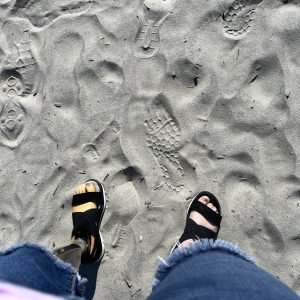
One thing many of us hear in therapy is: “Look up when you walk!” And that’s good advice—but here’s the truth: sometimes, it’s just as important to look down.
This article is all about why looking at the ground can be a smart move, not a setback. It’s not about fear—it’s about being aware, being safe, and learning what works best for you.
1. Watch Out for Hazards
There’s a lot that can trip us up—literally. Keeping an eye on the floor helps you spot things like:
Cords and cables
Throw rugs
Oxygen tubes
The legs and wheels of walkers
IV poles or medical stands
Door thresholds
Kids and pets underfoot
Grass or gravel
Uneven sidewalks
Cluttered rooms or tight hallways
Crowded spaces like buses or waiting rooms
Tiny bathrooms
Being aware of your surroundings is key to preventing falls.
2. Stay Steady
Looking down helps you stay balanced. When you can see where your foot—or prosthesis—is landing, you’re more likely to stay upright and avoid missteps.
3. Check Your Fit
It’s also a good way to check your prosthesis. Is it aligned right? Does the socket feel okay? Is your foot hitting the ground how it should? A quick glance down can help you catch small issues before they become big problems.
4. Read the Terrain
Whether you’re stepping onto grass, climbing a curb, or walking across a shiny floor, knowing what’s underfoot gives you time to adjust. Looking down helps you walk smarter, not harder.
5. Build Confidence, Not Fear
Looking down doesn’t mean you’re afraid—it means you’re being smart. Confidence isn’t about ignoring risks; it’s about facing them with the tools and mindset to handle them.
6. You Do You
Everyone’s experience as an amputee is different. What works for one person may not work for another. The important thing is to stay safe and find a walking style that fits you. That may include looking down now and then—and that’s perfectly okay.
Final Thoughts:
Looking down while you walk isn’t a weakness. It’s a way of staying safe, being aware, and taking charge of your own mobility. It’s better to look at the floor than end up on it!
With time, practice, and support, walking can become something you do with ease and confidence.
And remember—you’re not alone. Working with a knowledgeable therapist, prosthetist, or amputee coach (especially one who’s been doing this since 1995!) can make a big difference. Groups like Amputees Preparing Amputees 4 Life can also connect you with people who get it and are ready to walk this road with you.
You’ve got this. Keep moving forward—your way!
Together, with the support of your healthcare team and fellow amputees, you can navigate your journey with confidence, resilience, and a sense of community.