
Beyond the Residual Limb: A Guide to The “Sock Game” and Selecting Liners for Optimal Socket Fit

It is crucial to ensure that Prosthetic Liners devices and related supplies, such as liners, suspension sleeves, prosthetic socks, shrinkers, ace wraps, etc., do not compromise circulation or cause discomfort.  Seek guidance from your Prosthetist and/or Surgeon/Physician for personalized advice on effectively managing your residual limb.

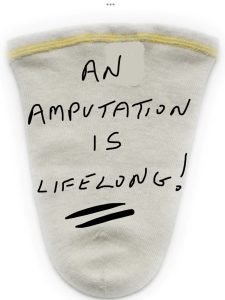
An amputation is Lifelong!  Following the surgery, your residual limb may swell, potentially resulting in a bulbous, cylindrical, or conical shape when using a shrinker and while wearing your prosthesis.

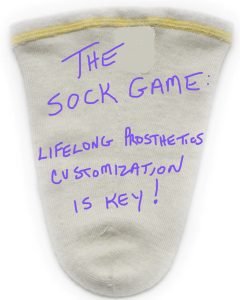
  Prosthetic socks, available in various thicknesses such as 1 ply, 2 ply, and 3 ply, allow customization for a comfortable prosthetic fit, known as playing the ‘sock game.’

Llp Sock Game

Improve Prosthetic Socket Fit Through Proper Sock Placement

Due to changes in your residual limb’s shape and your activity level, the socket may become too tight or too loose in different areas. Consult your Prosthetist to customize sock placement, ensuring a tailored and comfortable fit. Understanding proper prosthetic socket fit and residual limb care can help you manage these changes effectively. Residual limb shape changes may occur within minutes, hours, days, or gradually over an extended period. Some individuals find that diet and exercise can also contribute to residual limb shape changes, while others experience minimal alterations in shape or volume. We are all different!

Llp Limb Shapes
Llp Middle Sock

Prosthetic Liners: Gel, Silicone & Hybrid Options for Comfort and Better Fit

Prosthetic liners, including gel, silicone, and hybrid types, vary in thickness, catering to different needs. Thicker liners offer extra cushioning, making them great for protecting sensitive skin and areas where bones are close to the surface. Meanwhile, thinner liners provide a snug fit and enhance awareness of your residual limb. Learn more about Prosthetic Liners care and resources for amputees through Amputee Coalition resources.

Padding materials like foam or silicone can be added to the socket to customize the fit and protect sensitive areas. The choice of padding depends on individual requirements and comfort. Working with a certified prosthetist and understanding available prosthetic fitting solutions can help improve comfort and mobility. American Board for Certification in Orthotics, Prosthetics & Pedorthics (ABC) provides information about professional prosthetic care standards.

Image 123650291
Llp Btm Sock Bk
Image 123650291 (1)
Llp Btm Sock Ak

Img 7116 (1)

Lifelong prosthetic customization is essential because every individual has unique needs, lifestyle demands, and skin conditions. A skilled prosthetist works closely with you to select the right liner thickness, prosthetic socks, padding options, and materials that provide maximum comfort, stability, and protection. A properly customized prosthetic setup helps improve socket fit, reduce pressure points, and support better mobility during daily activities.

By considering factors such as skin sensitivity, activity level, and limb changes over time, prosthetic care can be personalized for long-term success. The right combination of liners and fitting solutions also helps minimize the risk of skin irritation, wounds, discomfort, revision surgeries, and prosthetic abandonment. Regular communication with your prosthetist ensures necessary adjustments are made, allowing you to maintain confidence, comfort, and an active lifestyle with your prosthetic device.

Conclusion

Finding the right balance between comfort, protection, and performance is essential for every prosthetic user. Beyond the residual limb itself, understanding the role of prosthetic socks and liners can make a significant difference in achieving an optimal socket fit. The right liner helps reduce pressure points, improve cushioning, and provide better control during daily activities.

Prosthetic liners come in various materials, including silicone, gel, and hybrid options, each designed to meet different comfort and mobility needs. Choosing the correct thickness and style depends on factors such as skin sensitivity, activity level, limb shape, and personal preferences. Prosthetic socks also play an important role by helping manage volume changes and maintaining a secure fit throughout the day.


Lynn DeCola, CPO
Lifelong Prosthetics, LLC
Website: Lifelongprosthetics.com 
Phone: 941-677-8534
Email: Lynn@lifelongprosthetics.com