
Finding Community After Amputation is an important part of adjusting to life after limb loss. Life after amputation involves much more than physical recovery. While medical treatment, rehabilitation, and prosthetic care are essential parts of the healing process, emotional adjustment and social connection also play a major role in rebuilding confidence and independence. Many people experience changes in their daily routines, relationships, self-image, and overall lifestyle after limb loss. During this transition, a supportive community can provide encouragement, understanding, and practical guidance.
A strong support network helps individuals realize they are not alone in their journey. Connecting with family members, friends, healthcare professionals, prosthetists, rehabilitation specialists, and other people who have experienced limb loss can make the recovery process easier and more positive.
At Lifelong Prosthetics, personalized prosthetic solutions and patient-centered care are designed to help individuals regain mobility and confidence after limb loss. However, successful adaptation goes beyond receiving a prosthetic device. Building meaningful connections and accessing emotional support after amputation can significantly improve quality of life.
Finding Community After Amputation: Why Support Is Important for Recovery
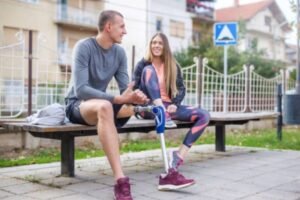
The recovery process after amputation involves physical healing, learning new movement patterns, adapting to prosthetic technology, and managing emotional challenges. Many individuals experience feelings of frustration, uncertainty, or isolation during this period. Having a reliable support network can help reduce these challenges by providing encouragement and motivation.
Support after amputation allows individuals to share their experiences with people who understand their situation. Whether someone is adjusting to their first prosthetic limb or managing long-term mobility changes, hearing from others who have successfully adapted can provide hope and reassurance.
Family members and close friends also play an important role. Their encouragement can help individuals stay motivated during rehabilitation, participate in daily activities, and regain independence. However, it is equally important for loved ones to understand that emotional recovery takes time and that each person’s experience with limb loss is unique.
Connecting with a supportive community creates a sense of belonging and reminds individuals that amputation does not define their abilities or future opportunities.
How a Prosthetic Community Helps Individuals Adjust After Limb Loss
A prosthetic users community can be a valuable source of information, encouragement, and shared experiences. People who have used prosthetic limbs for years often understand the challenges faced by new prosthetic users, including learning proper care techniques, adjusting to new movement patterns, and overcoming confidence barriers.
Peer connections can provide practical advice that may not always come from clinical appointments. For example, experienced prosthetic users may share tips about maintaining comfort, adapting daily activities, choosing appropriate clothing, or returning to hobbies and exercise.
Community support can also help individuals set realistic goals. Seeing others participate in work, sports, travel, and social activities after amputation can inspire new prosthetic users to focus on possibilities rather than limitations.
Lifelong Prosthetics provides advanced prosthetic care and works closely with individuals to develop solutions based on their lifestyle needs. You can learn more about prosthetic services and available solutions through the Lifelong Prosthetics website:
https://lifelongprosthetics.com/
Finding Community After Amputation: The Role of Family and Friends in Amputation Recovery
Finding Community After Amputation through family support can have a powerful impact on emotional well-being and rehabilitation progress. Loved ones often become an important part of the recovery team by offering practical assistance, emotional encouragement, and motivation.
However, supporting someone after limb loss requires understanding and patience. Family members should encourage independence rather than unintentionally creating dependence. Allowing individuals to participate in daily activities and make their own decisions helps rebuild confidence.
Open communication is also essential. Some people may feel uncomfortable discussing changes in their appearance, mobility challenges, or emotional struggles. Creating a safe environment where individuals can express their feelings without judgment can strengthen relationships.
Family members can support recovery by:
Learning about prosthetic care and rehabilitation
Attending medical or therapy appointments when appropriate
Encouraging healthy activities and social participation
Recognizing emotional challenges and offering support
Celebrating progress, including small achievements
For additional guidance about adapting to life after limb loss, resources from organizations such as the National Institute of Health’s MedlinePlus provide reliable health information:
https://medlineplus.gov/
Emotional Support After Amputation and Mental Well-Being
Finding Community After Amputation is an important step in supporting emotional healing and adjustment after limb loss. Physical recovery is only one part of adapting to life after amputation. Emotional health is equally important, as many individuals experience changes in confidence, body image, independence, and social comfort.
Emotional support after amputation helps individuals process these changes and develop positive coping strategies. Connecting with counselors, support groups, rehabilitation professionals, or trusted individuals can help manage stress, anxiety, and feelings of isolation.
Mental health support does not mean someone is struggling permanently. Instead, it provides valuable tools to adapt to life changes and build resilience. Many individuals discover new strengths, interests, and abilities while creating meaningful connections within their community after amputation.
Developing a positive mindset often happens gradually. Setting achievable goals, maintaining social connections, and focusing on personal progress can improve confidence over time.
Healthcare providers and rehabilitation specialists can also recommend resources for emotional wellness. Organizations such as the National Center for Biotechnology Information provide research-based information about rehabilitation and psychological adjustment following limb loss:
https://www.ncbi.nlm.nih.gov/
Finding Local and Online Support Networks for Amputees
Today, individuals affected by limb loss have more opportunities than ever to connect with supportive communities. Local rehabilitation centers, healthcare providers, adaptive sports groups, and online communities can help people find meaningful connections.
Online support networks can be especially helpful for individuals who live in areas with limited local resources. Virtual communities allow people to exchange experiences, ask questions, and find encouragement from others worldwide.
When choosing a support group, it is important to find one that promotes positive, respectful, and practical discussions. A helpful community should encourage independence, provide accurate information, and support each person’s individual recovery goals.
Some valuable places to explore include:
Rehabilitation centers that offer peer programs
Local disability and adaptive recreation organizations
Online communities focused on mobility and prosthetic experiences
Support programs recommended by healthcare professionals
Lifelong Prosthetics’ Resource Center also provides educational information designed to help individuals and families better understand prosthetic care and life after limb loss:
https://lifelongprosthetics.com/resource-center/
How Peer Support Improves Confidence and Independence
Peer support after amputation can help individuals regain confidence by showing them what is possible. Meeting someone who has overcome similar challenges can reduce fear and create a stronger belief in personal abilities.
Many new prosthetic users initially worry about returning to work, participating in physical activities, or managing everyday tasks. Peer mentors can share realistic experiences and demonstrate practical solutions.
Confidence grows when individuals see themselves as capable rather than limited by their amputation. Support networks encourage people to explore new opportunities, whether that means returning to previous activities or discovering new interests.
Adaptive sports and recreational programs are also excellent ways to build confidence and social connections. Activities such as swimming, cycling, fitness programs, and outdoor recreation allow individuals to improve physical strength while connecting with others.
The American Academy of Physical Medicine and Rehabilitation provides educational information about rehabilitation approaches that support mobility and independence:
https://www.aapmr.org/
Building a Strong Support System During Prosthetic Rehabilitation
Prosthetic rehabilitation is a team effort. A successful recovery journey often involves collaboration between the individual, prosthetist, physicians, physical therapists, occupational therapists, and family members.
A strong support system helps individuals stay committed during the adjustment period. Learning to use a prosthetic limb requires practice, patience, and ongoing improvement. Having people who provide encouragement during difficult moments can make a significant difference.
Regular communication with a prosthetist is especially important. Prosthetic technology continues to advance, and adjustments may be needed to improve comfort, function, and performance.
At Lifelong Prosthetics, experienced professionals focus on creating personalized prosthetic solutions that match each individual’s goals, lifestyle, and mobility needs. Proper fitting, ongoing adjustments, and patient education all contribute to better outcomes.
You can explore more about prosthetic solutions and patient care here:
https://lifelongprosthetics.com/
Creating a Positive Future After Limb Loss Through Connection
Finding community after amputation is not only about receiving support during difficult moments. It is also about creating opportunities for growth, independence, and meaningful experiences.
Many individuals living with limb loss continue to build successful careers, maintain active lifestyles, participate in sports, and enjoy fulfilling personal relationships. A strong support network provides the encouragement needed to pursue these goals.
Community connections also help change conversations around amputation. By sharing experiences and supporting one another, individuals can promote greater awareness and understanding about life with prosthetic limbs.
Every person’s journey is different. Some may need extensive emotional support, while others may focus more on practical guidance and mobility goals. The most important step is finding connections that provide encouragement, respect, and motivation.
Final Thoughts
Life after amputation involves adapting to many changes, but no one has to navigate the journey alone. Support networks provide emotional encouragement, practical advice, and a sense of belonging that can make recovery more manageable.
Finding community after amputation helps individuals build confidence, improve emotional well-being, and discover new possibilities. Whether through family, friends, healthcare professionals, peer connections, or online communities, meaningful relationships play an important role in long-term success.
With the right combination of prosthetic care, rehabilitation, and support, individuals can continue moving forward and achieve greater independence. Lifelong Prosthetics is committed to helping people access personalized prosthetic solutions and the resources they need to live active, confident lives after limb loss.