


Adjusting to life after limb loss involves much more than learning to use a prosthetic device. Adapt Your Home After Limb Loss by creating a safe and supportive living environment that meets your changing mobility needs. While prosthetic care, rehabilitation, and physical therapy play important roles in recovery, the environment where you spend most of your time can significantly influence your comfort, confidence, and independence. A home that supports your changing mobility needs can make everyday activities easier and help you move forward with greater freedom.
For many individuals, adapting a home after limb loss is an essential step toward creating a safer and more functional living space. Simple changes such as improving accessibility, reducing fall risks, and organising daily-use items can make a meaningful difference in everyday routines.
At Lifelong Prosthetics, we understand that every person’s journey after limb loss is unique. The right prosthetic solution, combined with thoughtful home modifications and ongoing support, can help individuals maintain an active and independent lifestyle. Learn more about personalised prosthetic care and rehabilitation support through our resource centre: /resource-center/
Whether you are preparing for life after an amputation, returning home after rehabilitation, or helping a loved one adjust, making intentional changes to your living environment can support long-term comfort and independence.
Adapt Your Home After Limb Loss for a Safer Living Environment
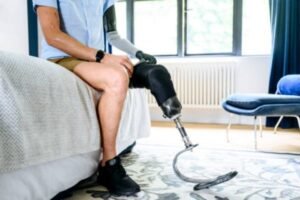
Safety is one of the most important considerations when adapting your home after limb loss. Changes in balance, mobility patterns, and confidence levels can increase the risk of trips and falls, especially during the early stages of recovery.
A safer home environment begins with identifying areas where movement may become challenging. Walkways should remain clear, and frequently used spaces should allow enough room for comfortable movement with a prosthetic limb, wheelchair, walker, or other mobility aid.
Removing loose rugs, securing electrical cords, improving lighting, and reducing unnecessary clutter are simple improvements that can immediately make your home safer. Installing non-slip flooring solutions in areas such as bathrooms and kitchens can also provide additional stability.
Many people with limb loss find that organising their homes around their daily routines reduces unnecessary strain. Items used frequently should be placed within easy reach to minimise excessive bending, stretching, or balancing.
Home safety after limb loss is not about limiting independence. Instead, it creates an environment where individuals can move confidently and focus more energy on daily activities, hobbies, and personal goals.
Improve Accessibility Throughout Your Living Space
Adapt Your Home After Limb Loss by improving accessibility and creating a safer living environment is an important step toward greater independence. Accessibility is a key part of successful home modifications after limb loss. A home should support your current mobility needs while also allowing flexibility as your abilities and preferences change.
Start by evaluating important areas such as entrances, hallways, bedrooms, bathrooms, and kitchens. Wider pathways can make movement easier, particularly for individuals who use mobility devices during different stages of rehabilitation.
Entryways are often one of the first areas to consider. Steps, narrow doors, or uneven surfaces can create challenges when entering or leaving the home. Depending on your needs, possible solutions may include ramps, handrails, improved lighting, or adjustments to doorways.
Inside the home, furniture placement can have a major impact on mobility. Arranging chairs, tables, and other items to create open walking paths can reduce obstacles and improve navigation.
Adapting your home after limb loss should be based on your personal lifestyle. Someone who enjoys cooking may need different modifications compared with someone who works remotely or spends more time outdoors. A personalised approach ensures that changes provide practical benefits rather than unnecessary adjustments.
Make the Bathroom More Comfortable and Independent
The bathroom is one of the most important areas to modify after limb loss because it involves activities where balance and stability are especially important.
Simple improvements can make bathroom routines safer and more comfortable. Grab bars near the toilet and shower area can provide additional support, while a shower seat can reduce fatigue and improve confidence during bathing.
Non-slip mats, handheld showerheads, and adjustable fixtures can also help create a more accessible bathroom environment. Good lighting is essential, especially during nighttime visits.
Some individuals may benefit from changing the height of bathroom fixtures or adjusting storage areas so essential items are easier to access. Small modifications can reduce physical strain and allow greater independence.
Maintaining independence after limb loss often comes from combining the right assistive solutions with an environment designed around your needs. Your prosthetist and rehabilitation team can provide guidance on mobility challenges and daily activities that may influence home adjustments.
For additional information about prosthetic solutions and support, visit Lifelong Prosthetics: /
Adapt Your Bedroom for Better Comfort and Mobility
Adapt Your Home After Limb Loss by creating a comfortable and accessible bedroom that can improve both physical recovery and overall wellbeing. Since the bedroom is where many people begin and end their day, it should support easy movement, safety, and relaxation.
The placement of the bed is an important consideration when you adapt your home after limb loss. There should be enough space around the bed to safely transfer, put on a prosthetic device, or use mobility equipment if needed.
Bed height can also affect comfort and safety. A bed that is too low or too high may make transfers more difficult. Adjustments such as changing the mattress height or using supportive furniture can improve ease of movement.
Keeping essential items nearby, such as clothing, medication, communication devices, or personal care products, reduces unnecessary movement and helps maintain independence while creating a more accessible living environment.
Good lighting is another important factor. Motion-activated lights or easily accessible switches can make nighttime movement safer and reduce fall risks.
A well-designed bedroom supports recovery while also creating a space where individuals feel comfortable and confident during their adjustment process.
Adapt Your Home After Limb Loss by Creating an Accessible Kitchen and Daily Living Area
The kitchen is another area where thoughtful changes can make everyday life easier after limb loss. Cooking, preparing meals, and managing household tasks often require standing, reaching, and moving between different areas.
Reorganising kitchen storage can improve accessibility. Frequently used items should be stored in convenient locations to reduce unnecessary reaching or lifting.
Adjustable shelving, pull-out drawers, and easy-to-use handles can make cabinets more functional. Many people also find that preparing meals while seated or using supportive surfaces can reduce fatigue.
Appliances and workspaces should be arranged to support efficient movement. Keeping commonly used tools together and creating clear preparation areas can make cooking safer and more enjoyable.
The goal of kitchen modifications is not simply accessibility. It is about helping individuals continue activities they enjoy while maintaining independence after limb loss.
Use Technology and Assistive Solutions to Support Independence
Modern technology can play an important role in creating a more comfortable home after limb loss. Smart home devices and assistive technologies can improve convenience, safety, and control.
Voice-controlled systems can help manage lights, temperature settings, security features, and entertainment devices without requiring additional physical effort. Automated lighting can improve visibility and reduce risks when moving through the home.
Personal emergency response systems can also provide additional reassurance, especially for individuals living alone. These devices allow users to quickly request assistance if a fall or emergency occurs.
Assistive tools such as specialised kitchen equipment, reaching devices, and adaptive clothing solutions can further simplify daily activities.
Technology should complement, not replace, personalised care and rehabilitation. Working with healthcare professionals and prosthetic specialists can help determine which solutions best match your lifestyle and mobility goals.
Adapt Your Home After Limb Loss by Planning Modifications with Your Prosthetic and Rehabilitation Team
Every person’s experience with limb loss is different, which means home modifications should be personalised. The changes that work well for one person may not be suitable for another.
Your prosthetist, physical therapist, and rehabilitation specialists can provide valuable insight into your mobility patterns, prosthetic use, and future goals. They can help identify challenges and recommend adjustments that support long-term independence.
For example, the type of prosthetic limb you use, your activity level, and your home layout may influence the modifications you need. Someone who is highly active may require different solutions compared with someone focused primarily on comfort and daily household activities.
Professional guidance can also help ensure that your home adjustments support proper movement patterns and reduce unnecessary physical stress.
At Lifelong Prosthetics, patient-focused care is centred around helping individuals achieve their personal mobility goals. More information about prosthetic services and patient resources is available at /resource-center/
Maintain Confidence and Independence After Limb Loss
Adapting your home after limb loss is an ongoing process. Your needs may change as you become more comfortable with your prosthetic device, improve your mobility, or return to activities that are important to you.
Regularly reviewing your home environment allows you to make adjustments when necessary. A modification that is helpful during early recovery may be different from what you need months or years later.
The most successful home adaptations focus on independence, confidence, and quality of life. A supportive environment allows individuals to participate more fully in family activities, work, hobbies, and community life.
Limb loss may introduce new challenges, but with appropriate prosthetic care, rehabilitation, and a thoughtfully adapted home, many individuals continue to achieve active and fulfilling lifestyles.
External resources such as the Centers for Medicare & Medicaid Services (https://www.cms.gov/) also provide information about healthcare coverage considerations that may relate to mobility equipment and accessibility needs.
Final Thoughts
Adapting your living space is essential when you want to Adapt Your Home After Limb Loss and create a safer, more comfortable environment for daily living. Creating a comfortable and accessible home after limb loss is an important step toward rebuilding confidence and maintaining independence. The right modifications can make everyday tasks easier, reduce safety concerns, and help individuals feel more in control of their environment.
From improving bathroom safety and organising living spaces to using assistive technology and working with a prosthetic care team, every adjustment contributes to a more supportive lifestyle. Home modifications after limb loss should always reflect the individual’s needs, goals, and daily routines. By making thoughtful changes, individuals can Adapt Your Home After Limb Loss in a way that supports mobility, comfort, and long-term independence.
At Lifelong Prosthetics, we believe that personalised prosthetic care goes beyond providing a device. It includes helping individuals adapt, recover, and move forward with confidence. If you are exploring prosthetic options or need guidance after limb loss, contact the Lifelong Prosthetics team through /contact-us/ to learn how personalised support can help you achieve greater comfort and independence.