
Aging well is about more than adding years to your life. It is about protecting your ability to move, make choices, participate in activities you enjoy, and maintain as much independence as possible. For people living Healthy Aging With Limb Loss, healthy aging can also involve paying closer attention to prosthetic fit, residual limb health, balance, strength, energy, and changing mobility needs.
Your body does not stay exactly the same over time. Weight may change, muscle strength can increase or decrease, skin may become more sensitive, health conditions may affect endurance, and a prosthesis that once felt comfortable may eventually need adjustment. These changes do not automatically mean losing independence. They simply make proactive self-care increasingly important.
Healthy aging with limb loss is often built through small, consistent habits rather than dramatic changes. Staying active within your abilities, caring for your skin, monitoring your prosthesis, improving balance, getting adequate rest, managing health conditions, and asking for help when something changes can all contribute to a safer and more active life.
At Lifelong Prosthetics, the focus is on helping amputees better understand their prosthetic care, communicate their needs, overcome everyday challenges, and work toward greater confidence and independence throughout life. (Lifelong Prosthetics)
Keep Movement Part of Everyday Life With Healthy Aging With Limb Loss
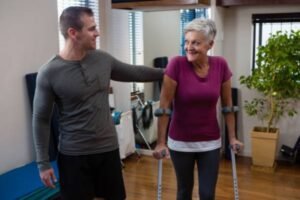
Regular movement is one of the most valuable habits for healthy aging. Physical activity can support cardiovascular health, muscle strength, balance, mobility, mood, and the ability to continue completing everyday activities independently.
For older adults, current public health guidance encourages a combination of aerobic activity, muscle-strengthening exercise, and balance activities. The CDC recommends that adults age 65 and older work toward at least 150 minutes of moderate-intensity activity per week, along with muscle-strengthening activities on at least two days and activities that improve balance. However, people who cannot meet those targets should remain as physically active as their abilities and health conditions allow. (CDC)
For someone with limb loss, movement does not have to mean completing long workouts or walking large distances. Your routine might include short walks, seated exercise, swimming, adaptive cycling, resistance training, stretching, gardening, household activities, or exercises recommended by a physical therapist.
Consistency matters more than comparing yourself with someone else. Ten minutes of safe activity performed regularly may be more useful than occasionally pushing yourself until you are exhausted or uncomfortable.
If your walking pattern, endurance, or confidence begins changing, discuss it with your healthcare team rather than simply accepting reduced activity as an unavoidable part of aging.
Protect Your Residual Limb and Skin
Residual limb care remains important whether your amputation happened recently or decades ago. Skin that spends hours inside a prosthetic liner or socket experiences pressure, heat, moisture, and friction. With aging, changes in skin condition, circulation, sensation, medications, and underlying health conditions can make careful monitoring even more important.
Check your residual limb regularly for redness, irritation, blisters, unusual swelling, open areas, or changes in skin color. Pay particular attention to areas that repeatedly experience pressure from the socket.
A poorly fitting socket can contribute to pain, sores, and blisters. Residual limb volume can also change over time, which may affect how securely and comfortably the prosthesis fits. (Amputee Coalition)
Daily hygiene is another important part of protecting both your skin and prosthetic equipment. Clean your residual limb and liner according to the recommendations provided by your prosthetist and the product manufacturer. Lifelong Prosthetics offers prosthetic supplies and amputee essentials designed to support routine prosthetic care, including skin and liner products.
For example, ALPS Prosthetic Cleanser is designed for cleaning residual limbs and prosthetic liners, while appropriate prosthetic lubricant may help reduce friction during prosthetic use. (Lifelong Prosthetics)
Never ignore persistent skin problems. Early attention may help prevent a minor irritation from interfering with prosthetic use and mobility.
Pay Attention to Changes in Prosthetic Fit
A prosthesis that worked extremely well several years ago may not continue to fit or function the same way forever. Changes in body weight, muscle mass, residual limb volume, posture, strength, activity level, and medical conditions may all influence the prosthetic experience.
Warning signs that deserve attention can include increasing socket discomfort, repeated pressure areas, excessive movement inside the socket, instability, new walking difficulties, unusual fatigue, recurring skin irritation, or needing to compensate differently while walking.
Instead of trying to tolerate discomfort indefinitely, communicate these changes to your prosthetist.
Aging successfully with a prosthesis requires ongoing communication. Explain specifically where discomfort occurs, when it appears, which activities make it worse, and whether your mobility has changed. Keeping brief notes can make these conversations easier.
If you feel uncertain about how to communicate concerns or understand your prosthetic options, amputee coaching sessions can provide additional non-clinical guidance. Lifelong Prosthetics focuses on helping amputees better understand their prosthesis, prepare questions, communicate with their prosthetist, and take a more active role in their care. (Lifelong Prosthetics)
Build Strength, Balance, and Fall Awareness
Falls can have serious consequences as we age, making strength and balance especially important for older adults Healthy Aging With Limb Loss.
Walking with a lower-limb prosthesis requires coordination between the residual limb, sound limb, hips, core, and upper body. When one area becomes weaker, other parts of the body may compensate. Over time, poor movement patterns may contribute to fatigue, discomfort, or reduced confidence.
Strength training does not necessarily require heavy weights. Depending on your abilities, exercises may include sit-to-stand movements, resistance bands, light weights, core exercises, hip strengthening, or supervised rehabilitation exercises.
Balance training is equally valuable. The CDC includes balance-focused activities as part of physical activity recommendations for older adults because multicomponent exercise can improve physical function and reduce fall risk. (CDC)
Your home environment matters too. Keep common walking paths clear, improve lighting, secure loose rugs, use railings where appropriate, and consider assistive devices when they increase safety.
Using a cane, walker, handrail, or other mobility aid when needed is not a failure. Independence means having the right tools to safely continue doing the things that matter to you.
Manage Pain, Fatigue, and Recovery
Healthy aging with limb loss requires learning when to push yourself and when your body needs recovery.
Prosthetic walking can require considerable physical effort, and factors such as poor socket fit, reduced strength, pain, sleep problems, health conditions, heat, and stress may increase fatigue. Ignoring these signals can make everyday mobility harder.
Instead, pace demanding activities throughout the day. Alternate more active tasks with periods of rest. If possible, avoid scheduling every physically challenging activity at the same time.
Pain deserves attention as well. Residual limb pain, phantom limb sensations, joint discomfort, back pain, or pain in the sound limb should not automatically be treated as something you simply have to live with.
New, severe, persistent, or worsening pain should be discussed with an appropriate healthcare professional. Identifying the cause matters because discomfort may relate to prosthetic fit, skin problems, nerves, joints, muscle weakness, another medical condition, or a combination of factors.
Recovery is part of staying active. Resting strategically can help you preserve energy for meaningful activities instead of exhausting yourself on tasks that could be modified, divided, or completed with assistance.
Support Your Body With Nutrition and Sleep
Mobility and prosthetic comfort are affected by your overall health, not only by the prosthesis itself.
Nutritious meals provide the energy and nutrients needed to support muscles, bones, immune function, and everyday activity. Maintaining a body weight that is appropriate for you may also help with general health and prosthetic fit because significant weight changes can influence the relationship between your residual limb and socket.
Focus on sustainable eating habits rather than restrictive diets. Your healthcare provider or registered dietitian can provide personalized recommendations when diabetes, cardiovascular disease, kidney disease, medication interactions, or other medical conditions affect your nutritional needs.
Sleep is another important part of healthy aging. The National Institute on Aging notes that adequate sleep supports physical health, mental health, quality of life, and safety. Older adults generally need around seven to nine hours of sleep each night. (National Institute on Aging)
If pain, phantom sensations, anxiety, frequent waking, or another health issue regularly disrupts sleep, mention it to your healthcare provider. Improving sleep may support better energy, concentration, mood, and participation in daily activities.
Stay Connected and Protect Emotional Wellness
Independence does not mean doing everything alone.
Relationships, community involvement, peer support, hobbies, and meaningful activities can remain important throughout the aging process. Healthy Aging With Limb Loss may sometimes create frustration or isolation, particularly when mobility changes or everyday activities become more difficult.
Talking with people who understand Healthy Aging With Limb Loss can provide something different from clinical care. Shared experience may help you discover practical strategies, prepare better questions, and realize that other people have faced similar challenges.
Lifelong Prosthetics highlights the value of lived experience and peer support as a complement to professional medical and rehabilitation care. Its amputee support and educational resources explore life beyond the physical aspects of amputation, including confidence, mental health, rehabilitation, and everyday challenges. (Lifelong Prosthetics)
Continue participating in activities that give your life meaning whenever possible. They may need to be adapted, but adaptation does not make them less valuable.
A shorter outing, accessible travel plan, adaptive hobby, virtual social group, or modified family activity can still provide connection and purpose.
Continue Advocating for Your Independence
One of the most important Healthy Aging With Limb Loss habits is learning to notice changes and speak up early.
Your goals at age 70 may be different from your goals at age 40, and your prosthetic care should reflect the life you are living today.
Ask questions when something does not make sense. Tell your prosthetist when your socket becomes uncomfortable. Discuss balance concerns with your rehabilitation team. Talk to your physician about new pain, fatigue, skin changes, or health conditions. Ask about adaptive equipment if everyday tasks become unnecessarily difficult.
Do not wait for a major problem before reviewing your needs.
Regularly ask yourself simple questions: Am I moving as comfortably as I was several months ago? Am I avoiding activities because I am afraid of falling? Has my prosthesis become harder to wear? Am I experiencing more skin irritation? Is fatigue preventing me from doing things I value?
These observations can help you recognize when additional support may be useful.
Lifelong Prosthetics provides independent, non-clinical amputee coaching designed to help individuals better understand their care, identify questions, communicate with healthcare professionals, and remain involved in decisions affecting their mobility and quality of life. You can learn more about amputee coaching and support if you want additional guidance navigating the changing needs that can come with life after amputation. (Lifelong Prosthetics)
Final Thoughts
Healthy aging with limb loss is not about maintaining exactly the same abilities forever. It is about adapting thoughtfully so you can continue living with as much safety, confidence, wellness, and independence as possible.
Movement, strength, balance, residual limb care, prosthetic maintenance, nutritious food, adequate sleep, emotional support, and good communication with your healthcare team all contribute to long-term well-being.
Most importantly, pay attention when something changes. A new pressure area, increasing fatigue, declining balance, altered walking pattern, or persistent discomfort may be your body telling you that your needs have changed. Addressing concerns early can make it easier to protect your mobility and continue participating in daily life.
Healthy Aging With Limb Loss is an ongoing process of adjustment, but you do not have to navigate every change by yourself. With appropriate medical care, rehabilitation, prosthetic support, healthy daily habits, and access to knowledgeable guidance, it is possible to keep working toward the activities, relationships, and independence that matter most to you.
Your prosthesis is one part of your journey. Your habits, awareness, confidence, support system, and willingness to advocate for yourself are equally important parts of building a healthier and more independent future.