


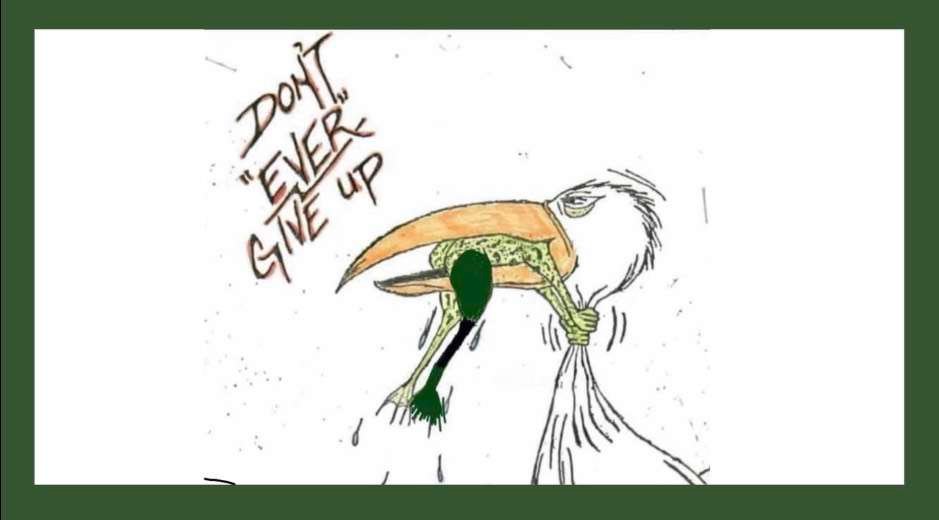
Amputee mental health is shaped by the smallest daily challenges. Something as simple as dropping an item can impact both mind and body. For an amputee, this may mean stopping everything, removing the prosthesis, figuring out how to safely retrieve the object, and then re-donning the device. If it rolls under furniture or out of reach, the effort can feel overwhelming—turning a simple task into physical strain and emotional fatigue.
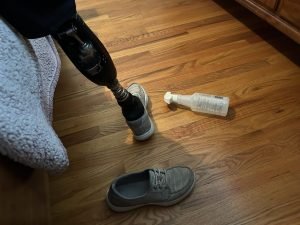
Now imagine this happening multiple times a day—on top of socket discomfort, sweating, alignment issues, or the constant mental calculation of “Is it worth the energy to do this right now?” Over time, these small frustrations accumulate. They often lead to prosthetic abandonment, where the device begins to feel more like a barrier than a tool.
This isn’t about laziness or lack of motivation. It’s about the mental load of living with limb loss, the physical strain of daily prosthetic use, and the lack of ongoing support to troubleshoot and adapt. Without help, these small moments can tip the balance toward simply not wearing the device at all.
The Mental Load of Living With Limb Loss
Relearning life after amputation is an ongoing journey. Many amputees carry grief—not just for their limb, but for their old lifestyle and sense of independence.
Between physical milestones like walking, balancing, or transferring, there is an invisible terrain: emotional fatigue, anxiety, and burnout. Sometimes we avoid activities not because we can’t do them, but because the mental energy required feels overwhelming. This is a core truth of amputee mental health. It’s real, and it’s valid.
The Clinical Side: Why Prosthetic Fit Impacts Mental Health
As a Certified Prosthetist Orthotist, I’ve seen how prosthetic socket discomfort directly affects mental health and motivation. A poorly fitting socket doesn’t just cause physical pain—it chips away at confidence.
When frustration builds, some amputees may stop wearing their prosthetic leg altogether. What feels like “giving up” is often a natural response to lack of proper fit, alignment, or emotional support. This is why amputee mental health and prosthetic care must go hand-in-hand.
Coping Tools That Support Amputee Mental Health
Every journey is unique, but these practical strategies support both mental health and daily prosthetic use:
- Prep the night before: Keep liners, socks, and shoes in easy reach.
- Use a reacher/grabber: Save energy when retrieving dropped items.
- Take micro-breaks: Rest before and after high-energy tasks.
- Connect with peers: Amputee support groups like APA4L reduce isolation.
- Check in emotionally: Journal, voice record, or talk it out.
- Celebrate small wins: Every completed task counts as progress.
If You’re Struggling, You’re Not Alone
If all you did today was get up and try—that’s enough. If you feel overwhelmed—you’re not weak. If it’s hard to explain your feelings—you’re not alone.
There’s no one right way to live life after limb loss. Your path is your own. Comparing yourself to others doesn’t mean you’re behind—it simply means you’re on a different journey.
Amputee Peer Support & Coaching
These are the topics we explore in Amputees Preparing Amputees 4 Life (APA4L) live Zoom sessions. Whether you’re newly amputated, adjusting to a new prosthetic socket, or decades into your journey, your presence matters.
If you or someone you love is struggling with prosthetic challenges or mental health after amputation, you’re invited to:
- Join APA4L peer support sessions
- Explore tools in the Lifelong Prosthetics Shop
- Reach out for amputee coaching—personal, professional, and rooted in over 30 years of lived and clinical experience
You don’t have to walk this path alone. Seeking support isn’t weakness—it’s strength. You deserve comfort, confidence, and care.