


Navigating the journey of Lifelong Prosthetics recovery after lower limb amputation is a profound and intricate process, marked by both challenges and moments of transformation. 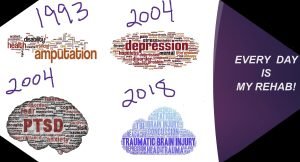
As individuals strive to reclaim mobility and independence, they encounter a myriad of factors that shape their experience and ultimately influence the success of their rehabilitation.
Beyond the medical considerations of Lifelong Prosthetics fitting and physical therapy, the psychological and social dimensions of recovery play a crucial role in shaping outcomes.
In this exploration, we delve into the intricate interplay of psychological and social factors that individuals face on their path to Lifelong Prosthetics rehabilitation, shedding light on the complexities and opportunities for support along the way.
Psychological and Social Factors:
1. Mental Health Issues such as Depression:
Coping with the loss of a limb can trigger feelings of grief, loss, and depression. Individuals may struggle with accepting their new reality, experiencing anxiety about the future, or grieving the loss of their previous lifestyle.
For example, someone may feel overwhelmed by the physical and emotional challenges of rehabilitation, leading to symptoms of depression such as persistent sadness, lack of motivation, or changes in appetite and sleep patterns.
2. Healthcare Workers Unfamiliar with Amputation:
Accessing knowledgeable and experienced healthcare professionals is crucial for effective prosthetic rehabilitation.
However, individuals may encounter healthcare providers who lack expertise in amputation care, leading to delays in treatment, inadequate support, or misinformation.
For instance, a physical therapist unfamiliar with prosthetic rehabilitation techniques may inadvertently prescribe exercises that are not suitable for the individual’s condition, potentially hindering their progress.
3. Personal Support System:
Having a strong support network of family, friends, and peers can greatly impact an individual’s prosthetic recovery journey.
Supportive loved ones provide encouragement, assistance with daily tasks, and emotional support during challenging times.
For example, a spouse who accompanies the individual to rehabilitation appointments, assists with household chores, and offers words of encouragement can positively influence their motivation and resilience throughout the recovery process.
4. Partner Leaving or Lack of Support:
Relationship strain or the absence of a supportive partner can exacerbate the emotional and practical challenges of prosthetic recovery.
The breakdown of a relationship due to the stress of limb loss or lack of understanding and support from a partner can intensify feelings of loneliness, isolation, and despair.
For instance, if a partner leaves the individual during their recovery process, they may struggle to cope with the loss of emotional support and practical assistance, leading to heightened distress and feelings of abandonment.
The journey of Lifelong Prosthetics recovery after lower limb amputation is multifaceted, requiring comprehensive support and intervention strategies that address the psychological and social dimensions of rehabilitation.
By recognizing the impact of factors such as mental health, healthcare access, personal support systems, and relationship dynamics, we can better support individuals on their path toward regaining functionality and quality of life.
Through holistic approaches that prioritize emotional well-being, interpersonal support, and community engagement, we can empower individuals to navigate the complexities of Lifelong Prosthetics recovery with resilience, dignity, and hope for the future.